Understanding Menstrual Disorders: Causes, Symptoms, and Treatment Options
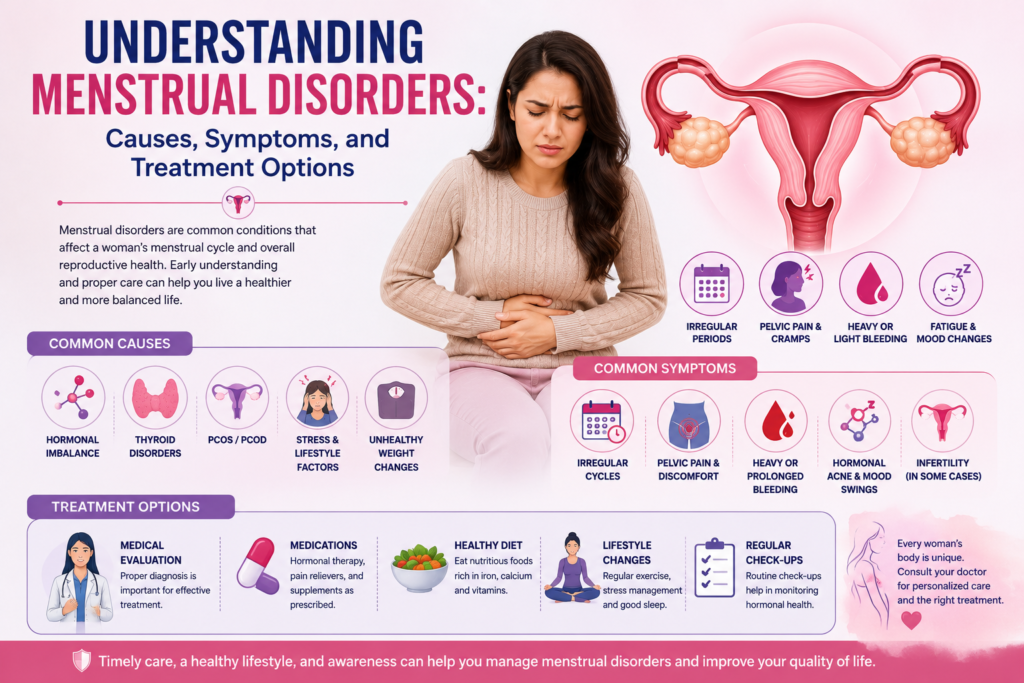
The menstrual cycle is an essential part of a woman’s reproductive health. While occasional changes in the menstrual cycle are normal, persistent irregularities may indicate an underlying health condition. Menstrual disorders affect millions of women worldwide and can significantly impact physical health, emotional well-being, and daily life.
Many women experience symptoms such as painful periods, unusually heavy bleeding, missed periods, or irregular cycles at some point in their lives. However, when these issues become frequent or severe, they should not be ignored. Understanding the causes, symptoms, and available menstrual disorders treatment options can help women seek timely medical care and maintain better reproductive health.
In this comprehensive guide, we will explore the different types of menstrual disorders, their causes, warning signs, diagnosis methods, and effective treatment strategies.
What Are Menstrual Disorders?
Menstrual disorders are conditions that affect the normal menstrual cycle. These disorders may influence the timing, duration, frequency, or amount of menstrual bleeding. Some women may experience excessive pain during menstruation, while others may have irregular or absent periods.
A normal menstrual cycle typically lasts between 21 and 35 days, with menstrual bleeding lasting around 2 to 7 days. Significant deviations from this pattern may indicate a menstrual disorder.
Menstrual disorders can affect women of all ages, from adolescence to menopause, and may result from hormonal, structural, or medical causes.
Common Types of Menstrual Disorders
Several different menstrual disorders can affect reproductive health.
- Amenorrhea (Absent Periods)
Amenorrhea refers to the absence of menstrual periods.
There are two main types:
Primary Amenorrhea
- Menstruation has not started by age 15.
Secondary Amenorrhea
- A woman who previously had regular periods stops menstruating for three months or longer.
- Dysmenorrhea (Painful Periods)
Dysmenorrhea causes severe menstrual cramps and pelvic pain before or during menstruation.
Symptoms may include:
- Lower abdominal pain
- Back pain
- Nausea
- Fatigue
- Headaches
- Menorrhagia (Heavy Menstrual Bleeding)
Women with menorrhagia experience excessive menstrual bleeding that may interfere with daily activities.
Signs include:
- Soaking sanitary products frequently
- Passing large blood clots
- Bleeding lasting more than seven days
- Oligomenorrhea (Infrequent Periods)
This condition involves menstrual cycles that occur less frequently than normal.
Women may experience:
- Periods occurring more than 35 days apart
- Irregular menstrual patterns
- Premenstrual Syndrome (PMS)
PMS refers to physical and emotional symptoms that occur before menstruation.
Common symptoms include:
- Mood swings
- Irritability
- Fatigue
- Breast tenderness
- Bloating
- Premenstrual Dysphoric Disorder (PMDD)
PMDD is a more severe form of PMS that significantly affects emotional health and daily functioning.
Common Symptoms of Menstrual Disorders
Symptoms vary depending on the underlying condition.
Irregular Periods
Menstrual cycles may become unpredictable or inconsistent.
Heavy Bleeding
Excessive bleeding can lead to fatigue and iron deficiency.
Severe Menstrual Pain
Painful cramps that interfere with normal activities should be evaluated.
Missed Periods
Missing several periods without pregnancy may indicate hormonal or medical issues.
Spotting Between Periods
Unexpected bleeding between menstrual cycles can signal underlying concerns.
Emotional Symptoms
Hormonal fluctuations may contribute to:
- Anxiety
- Mood changes
- Depression
- Irritability
Fatigue and Weakness
Chronic blood loss can lead to low iron levels and reduced energy.
Causes of Menstrual Disorders
Various factors can disrupt the normal menstrual cycle.
Hormonal Imbalances
Hormones play a critical role in regulating menstruation.
Conditions that affect hormonal balance include:
- Polycystic Ovary Syndrome (PCOS)
- Thyroid disorders
- Pituitary gland disorders
Hormonal fluctuations can affect ovulation and menstrual regularity.
Polycystic Ovary Syndrome (PCOS)
PCOS is one of the leading causes of irregular periods.
Women with PCOS often experience:
- Irregular menstruation
- Excess hair growth
- Weight gain
- Difficulty conceiving
Thyroid Disorders
Both underactive and overactive thyroid glands can affect menstrual cycles.
Symptoms may include:
- Heavy bleeding
- Irregular periods
- Missed periods
Uterine Fibroids
Fibroids are non-cancerous growths that develop within the uterus.
They may cause:
- Heavy menstrual bleeding
- Pelvic pressure
- Prolonged periods
Endometriosis
Endometriosis occurs when tissue similar to the uterine lining grows outside the uterus.
This condition can result in:
- Severe pelvic pain
- Painful periods
- Fertility challenges
Stress and Emotional Health
Chronic stress can disrupt hormone production and menstrual regularity.
Excessive stress may lead to:
- Missed periods
- Delayed ovulation
- Irregular cycles
Significant Weight Changes
Rapid weight gain or weight loss can affect hormonal balance and menstrual function.
Certain Medications
Some medications may alter menstrual patterns, including treatments that affect hormone levels.
Risk Factors for Menstrual Disorders
Several factors may increase the likelihood of developing menstrual problems.
Family History
Genetics may influence hormonal and reproductive health conditions.
Obesity
Excess body weight can contribute to hormonal imbalances.
Chronic Medical Conditions
Conditions such as:
- Diabetes
- Thyroid disease
- PCOS
may increase risk.
Lifestyle Factors
Poor diet, inadequate sleep, and high stress levels may contribute to menstrual irregularities.
How Menstrual Disorders Affect Overall Health
Menstrual disorders are not merely reproductive issues. They can influence multiple aspects of health.
Fertility Challenges
Irregular ovulation may make conception more difficult.
Iron Deficiency Anemia
Heavy menstrual bleeding can reduce iron levels.
Symptoms may include:
- Fatigue
- Dizziness
- Weakness
Mental Health Impact
Persistent symptoms can affect emotional well-being and quality of life.
Reduced Productivity
Severe menstrual symptoms may interfere with work, education, and daily activities.
Diagnosis of Menstrual Disorders
Accurate diagnosis helps identify the underlying cause and guide appropriate treatment.
Medical History
A healthcare provider may ask about:
- Menstrual cycle patterns
- Symptoms
- Family history
- Lifestyle factors
Physical Examination
A physical examination may identify signs of hormonal or reproductive disorders.
Blood Tests
Blood tests help evaluate:
- Hormone levels
- Thyroid function
- Iron status
- Blood sugar levels
Pelvic Ultrasound
Ultrasound imaging can identify:
- Fibroids
- Ovarian cysts
- Structural abnormalities
Additional Diagnostic Procedures
Depending on symptoms, further testing may be recommended to investigate reproductive health concerns.
Menstrual Disorders Treatment: Available Options
The best menstrual disorders treatment depends on the underlying cause, severity of symptoms, and individual health needs.
Lifestyle Modifications
For many women, healthy lifestyle changes can improve menstrual regularity.
Balanced Nutrition
A nutritious diet supports hormonal health.
Focus on:
- Fruits
- Vegetables
- Whole grains
- Lean proteins
- Healthy fats
Reduce:
- Processed foods
- Excess sugar
- Highly refined carbohydrates
Regular Exercise
Physical activity may help:
- Regulate hormones
- Improve circulation
- Support healthy weight management
Consistent exercise can contribute to menstrual health and overall well-being.
Stress Management
Stress reduction techniques may help regulate hormone production.
Helpful practices include:
- Meditation
- Yoga
- Deep breathing exercises
- Adequate sleep
Medical Management
Healthcare providers may recommend treatments based on the specific diagnosis.
Treatment approaches may focus on:
- Hormonal regulation
- Pain management
- Reducing excessive bleeding
- Supporting fertility goals
All treatment decisions should be made under professional medical supervision.
Managing Heavy Menstrual Bleeding
Treatment may focus on:
- Controlling blood loss
- Preventing anemia
- Improving quality of life
Women experiencing persistent heavy bleeding should seek medical evaluation.
Managing Painful Periods
Severe menstrual pain should not be considered normal if it disrupts daily activities.
Management may involve:
- Lifestyle modifications
- Hormonal regulation
- Treatment of underlying conditions
Fertility Support
Women experiencing menstrual disorders related to ovulation may benefit from specialized reproductive care when planning pregnancy.
Can Menstrual Disorders Be Prevented?
Not all menstrual disorders can be prevented, but certain healthy habits may lower risk and improve reproductive health.
Prevention Tips
- Maintain a healthy body weight
- Exercise regularly
- Eat a balanced diet
- Manage stress effectively
- Attend regular gynecological checkups
- Monitor menstrual cycle changes
Early detection often leads to better outcomes.
When Should You See a Gynecologist?
Consult a healthcare professional if you experience:
- Very heavy menstrual bleeding
- Severe menstrual pain
- Missed periods without pregnancy
- Bleeding between periods
- Periods lasting longer than seven days
- Sudden changes in menstrual patterns
- Symptoms affecting daily activities
Prompt medical attention can help identify underlying causes and prevent complications.
FAQs
Irregular periods and painful menstruation are among the most common menstrual disorders.
Yes. Chronic stress can disrupt hormone production and lead to delayed, irregular, or missed periods.
Heavy bleeding that interferes with daily life, lasts longer than seven days, or causes symptoms of anemia should be evaluated by a healthcare professional.
Yes. Certain conditions such as PCOS and ovulation disorders may impact fertility, but many women can achieve successful pregnancies with proper treatment.
Mild discomfort is common, but severe pain that affects daily activities should be medically assessed.