Iron Deficiency and Anemia in Women: Causes, Symptoms, and Prevention
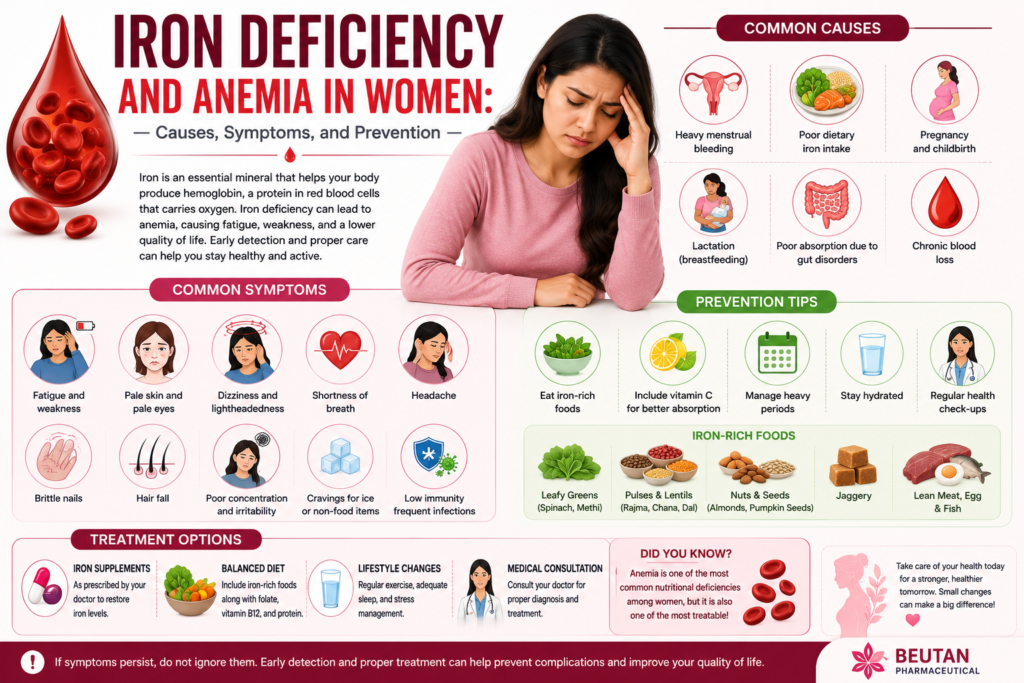
Anemia is one of the most common health conditions affecting women worldwide. Although it can occur in people of all ages and genders, women are particularly vulnerable due to menstruation, pregnancy, childbirth, and increased nutritional demands throughout different stages of life.
Many women dismiss symptoms such as fatigue, weakness, dizziness, or shortness of breath as part of a busy lifestyle. However, these symptoms may indicate underlying anemia that requires attention. When left untreated, anemia can affect physical health, productivity, mental well-being, and overall quality of life.
Understanding the causes, symptoms, and prevention strategies related to anemia in women is essential for maintaining long-term health and vitality.
This comprehensive guide explores everything women need to know about iron deficiency, anemia, risk factors, diagnosis, treatment approaches, and healthy lifestyle practices that support optimal iron levels.
What Is Anemia?
Anemia is a condition that occurs when the body does not have enough healthy red blood cells or sufficient hemoglobin to carry oxygen effectively throughout the body.
Hemoglobin is a protein found in red blood cells that transports oxygen from the lungs to tissues and organs. When hemoglobin levels become too low, the body receives less oxygen, leading to symptoms such as fatigue and weakness.
There are several types of anemia, but iron deficiency anemia is the most common form affecting women.
Understanding Iron Deficiency Anemia
Iron deficiency anemia develops when the body lacks sufficient iron to produce adequate amounts of hemoglobin.
Iron is an essential mineral that supports:
- Oxygen transport
- Energy production
- Immune function
- Cognitive performance
- Healthy pregnancy
Without enough iron, the body struggles to produce healthy red blood cells, resulting in anemia.
Why Are Women More Prone to Anemia?
Women have unique physiological factors that increase their risk of developing anemia.
Menstrual Blood Loss
Monthly menstrual bleeding is one of the leading causes of iron deficiency in women.
Women with heavy menstrual periods may lose significant amounts of iron over time.
Pregnancy
Pregnancy increases the body’s demand for iron because it must support both the mother and the growing baby.
Insufficient iron intake during pregnancy can contribute to anemia.
Childbirth
Blood loss during delivery may temporarily reduce iron levels.
Breastfeeding
Women may continue to have increased nutritional needs while breastfeeding.
Dietary Factors
Inadequate consumption of iron-rich foods can increase the risk of iron deficiency.
Common Causes of Anemia in Women
Several factors may contribute to the development of anemia.
Iron Deficiency
Iron deficiency remains the most common cause of anemia worldwide.
Common reasons include:
- Inadequate dietary intake
- Poor iron absorption
- Increased nutritional requirements
- Chronic blood loss
Heavy Menstrual Bleeding
Women who experience prolonged or heavy periods are at greater risk of developing anemia.
Excessive blood loss can gradually deplete iron stores.
Pregnancy-Related Iron Demand
During pregnancy, blood volume increases significantly.
This increased demand requires higher levels of iron to support:
- Maternal health
- Placental development
- Fetal growth
Nutritional Deficiencies
A lack of essential nutrients may contribute to anemia.
Important nutrients include:
- Iron
- Vitamin B12
- Folate
- Vitamin C
Gastrointestinal Conditions
Certain digestive disorders may interfere with iron absorption.
Poor nutrient absorption can eventually lead to anemia.
Chronic Diseases
Long-term health conditions may affect red blood cell production and contribute to anemia.
Symptoms of Anemia in Women
Symptoms often develop gradually and may initially go unnoticed.
Recognizing the warning signs can help women seek timely medical attention.
Persistent Fatigue
Fatigue is one of the most common symptoms of anemia.
Women may feel:
- Constantly tired
- Low on energy
- Unable to perform daily activities efficiently
Weakness
Reduced oxygen delivery to muscles can result in physical weakness and reduced stamina.
Pale Skin
Low hemoglobin levels may cause:
- Pale skin
- Pale gums
- Reduced skin color
Dizziness and Lightheadedness
Women with anemia may experience:
- Dizziness
- Feeling faint
- Difficulty concentrating
Shortness of Breath
Insufficient oxygen transport can cause breathing difficulties, particularly during physical activity.
Rapid Heartbeat
The heart may work harder to compensate for reduced oxygen-carrying capacity.
Cold Hands and Feet
Poor oxygen circulation may cause sensitivity to cold temperatures.
Headaches
Frequent headaches can sometimes be associated with low iron levels.
Brittle Nails and Hair Changes
Long-term iron deficiency may affect:
- Nail strength
- Hair quality
- Hair growth
Risk Factors for Anemia in Women
Certain women are more likely to develop anemia.
Women with Heavy Periods
Significant menstrual blood loss increases iron requirements.
Pregnant Women
Pregnancy is one of the most common risk periods for anemia.
Vegetarians and Vegans
Women following plant-based diets may need to pay closer attention to iron intake.
Women with Digestive Disorders
Conditions affecting nutrient absorption can increase risk.
Frequent Blood Donors
Regular blood donation may contribute to lower iron stores.
Women with Chronic Illnesses
Certain long-term medical conditions may affect blood health.
How Anemia Affects Overall Health
Anemia is not simply about feeling tired.
If left untreated, it may impact multiple aspects of health.
Reduced Physical Performance
Low oxygen levels can affect strength and endurance.
Cognitive Difficulties
Women may experience:
- Reduced concentration
- Memory issues
- Mental fatigue
Pregnancy Complications
Untreated anemia during pregnancy may increase health risks for both mother and baby.
Weakened Immune Function
Iron plays an important role in immune system performance.
Low iron levels may affect the body’s ability to fight infections.
Reduced Quality of Life
Persistent fatigue and weakness can interfere with:
- Work performance
- Family responsibilities
- Social activities
Diagnosis of Anemia in Women
Proper diagnosis is important for identifying the underlying cause and determining appropriate management.
Medical History
Healthcare providers may ask about:
- Symptoms
- Menstrual history
- Dietary habits
- Pregnancy history
- Existing medical conditions
Physical Examination
A healthcare professional may assess signs such as:
- Pale skin
- Rapid heartbeat
- Fatigue
Blood Tests
Laboratory tests help evaluate:
Hemoglobin Levels
Measures oxygen-carrying capacity.
Iron Levels
Assesses iron availability in the body.
Ferritin Levels
Ferritin reflects stored iron reserves.
Vitamin Levels
Additional testing may evaluate nutritional status.
Treatment Options for Anemia in Women
Treatment depends on the underlying cause and severity of anemia.
Improving Dietary Iron Intake
One of the most effective ways to support healthy iron levels is through nutrition.
Iron-Rich Foods
Include:
- Lean meats
- Poultry
- Fish
- Eggs
- Spinach
- Lentils
- Beans
- Chickpeas
- Tofu
- Pumpkin seeds
Regular consumption of iron-rich foods can support healthy blood production.
Increase Vitamin C Intake
Vitamin C helps improve iron absorption.
Good sources include:
- Oranges
- Lemons
- Guava
- Kiwi
- Strawberries
- Bell peppers
Combining iron-rich foods with vitamin C-rich foods may enhance absorption.
Iron Supplementation
Healthcare providers may recommend iron supplementation when dietary intake alone is insufficient.
Supplements should always be taken according to professional guidance.
Managing Underlying Causes
Effective treatment often involves addressing factors contributing to anemia.
Examples include:
- Heavy menstrual bleeding
- Nutritional deficiencies
- Digestive disorders
- Chronic medical conditions
Prevention Strategies for Anemia in Women
Prevention is often easier than treatment.
Maintaining healthy iron levels can significantly reduce the risk of anemia.
Follow a Balanced Diet
A nutrient-rich diet supports healthy blood production.
Focus on:
- Iron-rich foods
- Fruits and vegetables
- Whole grains
- Lean proteins
Monitor Menstrual Health
Women experiencing unusually heavy periods should seek medical evaluation.
Early intervention can help prevent chronic iron loss.
Attend Regular Health Checkups
Routine blood testing can identify low iron levels before severe symptoms develop.
Pay Special Attention During Pregnancy
Pregnant women should follow prenatal care recommendations and monitor nutritional status carefully.
Stay Informed About Symptoms
Recognizing early warning signs allows for prompt treatment and better outcomes.
When Should You See a Doctor?
Consult a healthcare professional if you experience:
- Persistent fatigue
- Shortness of breath
- Frequent dizziness
- Heavy menstrual bleeding
- Pale skin
- Rapid heartbeat
- Unexplained weakness
Early diagnosis and management can prevent complications and improve overall health.
FAQs
Iron deficiency caused by menstrual blood loss, pregnancy, or inadequate dietary intake is the most common cause of anemia in women.
Early symptoms often include fatigue, weakness, dizziness, headaches, and difficulty concentrating.
Yes. Untreated anemia during pregnancy may increase health risks for both the mother and baby, making proper prenatal care essential.
Iron-rich foods include lean meats, poultry, fish, beans, lentils, spinach, eggs, and fortified cereals.
Women can reduce their risk by consuming iron-rich foods, maintaining a balanced diet, monitoring menstrual health, and attending regular medical checkups.