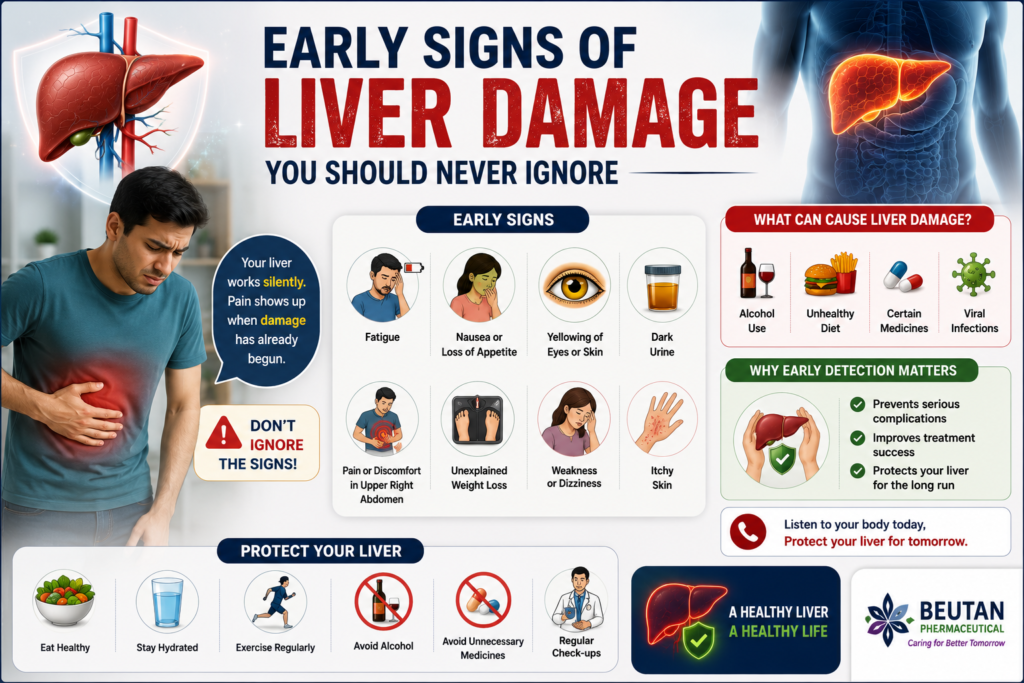
Early Signs of Liver Damage You Should Never Ignore
The liver is one of the most important organs in the human body, responsible for filtering toxins, processing nutrients, producing proteins, supporting digestion, and regulating numerous metabolic functions. Despite its remarkable ability to regenerate and repair itself, the liver can become damaged over time due to unhealthy lifestyle habits, infections, excessive alcohol consumption, metabolic disorders, and other medical conditions.
One of the biggest challenges with liver disease is that it often develops silently. Many people do not experience noticeable symptoms until significant damage has already occurred. This is why recognizing the early signs of liver damage is essential for timely diagnosis and treatment.
The good news is that early detection can significantly improve outcomes and help prevent serious complications. Understanding what warning signs to look for and when to seek medical advice can make a meaningful difference in protecting your long-term health.
Why Early Detection Matters
The liver has an incredible ability to compensate for injury and continue functioning even when some damage is present. Because of this, many liver conditions remain unnoticed during the early stages.
Early detection is important because it allows healthcare providers to:
- Identify underlying causes
- Prevent disease progression
- Reduce the risk of complications
- Improve treatment outcomes
- Preserve liver function
Conditions such as fatty liver disease, hepatitis, and alcohol-related liver disease are often more manageable when diagnosed early.
Ignoring symptoms may allow liver damage to worsen, potentially leading to fibrosis, cirrhosis, or liver failure over time.
Common Warning Symptoms
Recognizing early warning signs can help individuals seek medical attention before serious complications develop.
Persistent Fatigue
One of the most common early signs of liver damage is ongoing fatigue.
Individuals may experience:
- Constant tiredness
- Low energy levels
- Reduced physical stamina
- Difficulty completing routine activities
Because fatigue is a common symptom of many conditions, it is often overlooked.
Unexplained Weakness
Liver dysfunction may affect the body’s ability to process nutrients and maintain energy levels.
This can lead to:
- General weakness
- Reduced endurance
- Feeling physically drained
Loss of Appetite
Changes in appetite may occur as liver function becomes impaired.
Some individuals notice:
- Reduced interest in food
- Feeling full quickly
- Unintentional weight loss
Nausea and Digestive Discomfort
The liver plays a crucial role in digestion.
Early liver problems may contribute to:
- Nausea
- Stomach discomfort
- Digestive disturbances
- Occasional vomiting
Abdominal Discomfort
Mild discomfort or a feeling of fullness in the upper right side of the abdomen may occur because the liver is located in this region.
Although discomfort is often subtle initially, it should not be ignored if persistent.
Dark-Colored Urine
Changes in urine color may indicate problems with liver function.
Dark urine can occur when bilirubin levels increase in the bloodstream.
Pale or Light-Colored Stools
The liver helps process substances that contribute to the normal color of stools.
Changes in stool color may sometimes indicate liver or bile flow problems.
Itchy Skin
Persistent itching without an obvious cause may occasionally be associated with liver-related conditions.
This symptom can occur due to changes in bile flow and the accumulation of certain substances in the bloodstream.
Easy Bruising
The liver produces proteins involved in blood clotting.
When liver function becomes impaired, some individuals may bruise more easily than usual.
Jaundice
Jaundice is one of the most recognized signs of liver damage.
It causes:
- Yellowing of the skin
- Yellowing of the eyes
Jaundice develops when bilirubin accumulates in the body.
Although it often appears during more advanced stages, it should always prompt immediate medical evaluation.
Risk Factors
Several factors can increase the likelihood of developing liver damage.
Understanding these risks can help individuals take preventive measures.
Excessive Alcohol Consumption
Long-term alcohol use remains one of the leading causes of liver disease worldwide.
Obesity
Excess body weight increases the risk of fatty liver disease and metabolic complications.
Type 2 Diabetes
Diabetes is strongly associated with fatty liver disease and other liver conditions.
High Cholesterol
Elevated cholesterol and triglyceride levels may contribute to fat accumulation in the liver.
Viral Hepatitis
Certain viral infections can cause liver inflammation and long-term liver damage.
Family History
Some liver conditions may have a genetic component.
Certain Medications
Long-term use of certain medications may increase liver-related risks in susceptible individuals.
Sedentary Lifestyle
Lack of physical activity may contribute to obesity and metabolic disorders that affect liver health.
Diagnostic Tests
Because liver disease may not always produce obvious symptoms, diagnostic testing plays an important role in identifying problems early.
Medical History and Physical Examination
Healthcare providers often begin by reviewing:
- Symptoms
- Lifestyle habits
- Alcohol intake
- Family history
- Existing medical conditions
Liver Function Tests (LFTs)
Blood tests can help evaluate:
- Liver enzymes
- Protein production
- Bilirubin levels
- Overall liver function
Abnormal results may indicate inflammation or liver injury.
Imaging Studies
Imaging techniques may help assess:
- Liver size
- Fat accumulation
- Structural abnormalities
- Signs of scarring
Additional Testing
Depending on individual circumstances, healthcare providers may recommend further evaluation to determine the cause and extent of liver damage.
Treatment Approaches
Treatment depends on the underlying cause, severity of liver damage, and overall health status.
The primary goal is to prevent further injury and support liver recovery.
Lifestyle Modifications
Healthy lifestyle changes remain one of the most effective treatment strategies.
These may include:
- Weight management
- Improved nutrition
- Increased physical activity
- Limiting alcohol intake
Managing Underlying Conditions
Conditions such as:
- Diabetes
- High cholesterol
- Obesity
should be properly managed to reduce additional strain on the liver.
Regular Medical Monitoring
Routine follow-up allows healthcare providers to monitor liver health and treatment progress.
Nutritional Support
A balanced diet rich in:
- Fruits
- Vegetables
- Whole grains
- Lean proteins
can support liver function and overall wellness.
Prevention Strategies
Preventing liver damage is often easier than treating advanced liver disease.
Several healthy habits can help protect liver health.
Maintain a Healthy Weight
Healthy body weight reduces the risk of fatty liver disease.
Follow a Balanced Diet
Choose nutrient-dense foods and limit highly processed products.
Stay Physically Active
Regular exercise supports metabolic and liver health.
Limit Alcohol Consumption
Moderation or avoidance of alcohol can significantly reduce liver-related risks.
Get Vaccinated When Appropriate
Vaccination may help prevent certain forms of viral hepatitis.
Attend Routine Health Checkups
Regular screenings can help detect liver problems before symptoms become severe.
Use Medications Responsibly
Always follow medical advice when taking prescription or over-the-counter medications.
FAQs
Common early signs include fatigue, weakness, loss of appetite, digestive discomfort, and unexplained changes in energy levels.
Yes. Many liver conditions develop silently and may not produce noticeable symptoms during the early stages.
Jaundice often indicates a problem involving the liver or bile ducts and should always be evaluated by a healthcare professional.
Yes. Healthy eating, regular exercise, weight management, and limiting alcohol consumption can significantly support liver health.
Individuals with obesity, diabetes, high cholesterol, viral hepatitis, excessive alcohol use, or a family history of liver disease may have a higher risk.