
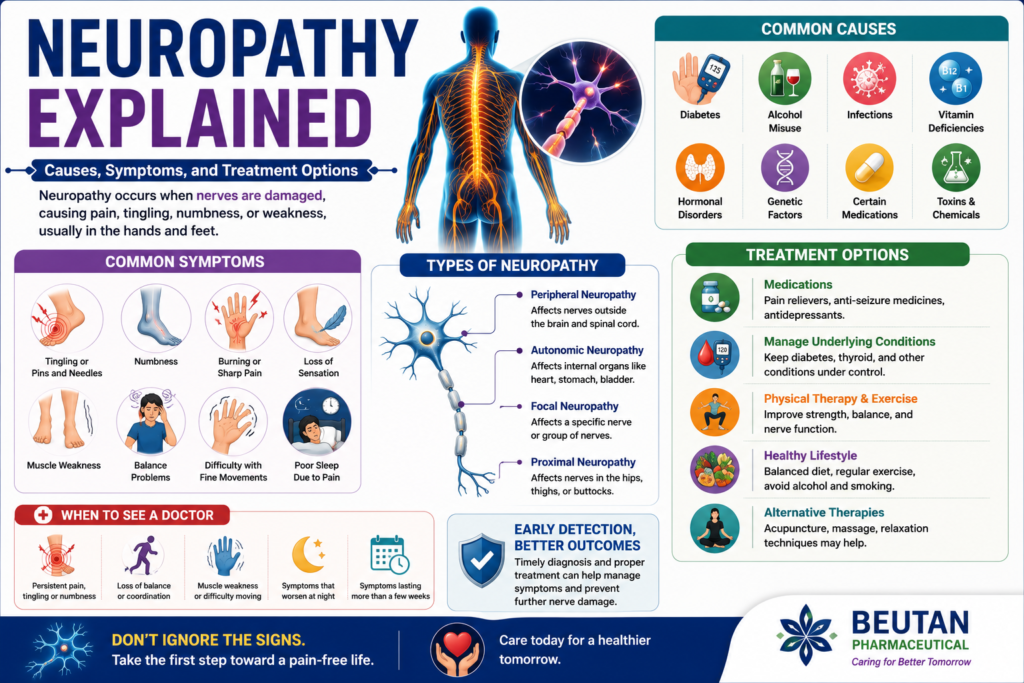
Neuropathy Explained: Causes, Symptoms, and Treatment Options
The human nervous system acts as the body’s communication network, transmitting signals between the brain, spinal cord, and every part of the body. When nerves become damaged or dysfunctional, these signals can be disrupted, leading to a condition known as neuropathy.
Neuropathy affects millions of people worldwide and can significantly impact mobility, sensation, and overall quality of life. Symptoms often begin gradually and may include tingling, numbness, weakness, or burning pain in the hands and feet. While neuropathy can affect people of all ages, it is more commonly seen in adults, particularly those with certain underlying medical conditions.
Understanding the causes, symptoms, and available peripheral neuropathy treatment options is essential for early diagnosis and effective management.
What Is Peripheral Neuropathy?
Peripheral neuropathy refers to damage or dysfunction of the peripheral nerves. These nerves connect the brain and spinal cord to muscles, skin, and internal organs.
When peripheral nerves are damaged, communication between the brain and the rest of the body becomes impaired. Depending on the nerves involved, symptoms can affect sensation, movement, or automatic bodily functions.
The condition may develop gradually over time or appear suddenly, depending on the underlying cause.
Understanding the Peripheral Nervous System
The peripheral nervous system consists of three major types of nerves:
Sensory Nerves
These nerves carry information from the body to the brain.
They help detect:
- Temperature
- Pain
- Touch
- Pressure
Motor Nerves
Motor nerves control muscle movement.
They allow actions such as:
- Walking
- Grasping objects
- Maintaining balance
Autonomic Nerves
These nerves regulate automatic body functions including:
- Heart rate
- Digestion
- Blood pressure
- Sweating
Damage to any of these nerve groups can result in different symptoms.
Common Causes of Peripheral Neuropathy
Neuropathy can occur due to various medical conditions and lifestyle factors.
Diabetes
Diabetes is one of the most common causes of peripheral neuropathy.
High blood sugar levels over time can damage nerve fibers, particularly in the feet and legs.
Diabetic neuropathy affects a significant number of people living with diabetes.
Vitamin Deficiencies
Certain vitamins are essential for nerve health.
Deficiencies in nutrients such as:
- Vitamin B12
- Vitamin B6
- Vitamin E
may contribute to nerve damage.
Physical Injuries
Trauma resulting from accidents, falls, or repetitive movements can injure peripheral nerves.
Examples include:
- Sports injuries
- Workplace injuries
- Surgical complications
Infections
Certain infections can affect the nervous system and lead to neuropathy.
Autoimmune Conditions
Some autoimmune disorders may cause the body’s immune system to mistakenly attack healthy nerves.
Exposure to Toxins
Long-term exposure to harmful chemicals may damage nerve tissue.
Chronic Kidney Disease
Kidney dysfunction can lead to the accumulation of toxins that affect nerve function.
Certain Medications
Some medications may increase the risk of nerve damage in susceptible individuals.
Symptoms of Peripheral Neuropathy
Symptoms vary depending on which nerves are affected and the extent of nerve damage.
Tingling Sensations
Many individuals describe a “pins and needles” feeling in their hands or feet.
This is often one of the earliest signs.
Numbness
Reduced sensation may develop gradually.
People may find it difficult to detect:
- Temperature changes
- Pain
- Touch
Burning Pain
A burning or stabbing sensation is common in some forms of neuropathy.
Pain may worsen at night and interfere with sleep.
Muscle Weakness
Motor nerve involvement can lead to:
- Weak grip strength
- Difficulty climbing stairs
- Trouble lifting objects
Loss of Balance
Nerve damage can affect coordination and increase the risk of falls.
Increased Sensitivity
Some individuals experience heightened sensitivity where even light touch becomes uncomfortable.
Autonomic Symptoms
When autonomic nerves are affected, symptoms may include:
- Digestive issues
- Abnormal sweating
- Dizziness upon standing
- Changes in blood pressure
Risk Factors for Peripheral Neuropathy
Certain factors increase the likelihood of developing neuropathy.
Poorly Controlled Diabetes
Persistent high blood sugar remains one of the leading risk factors.
Advanced Age
The risk of nerve damage tends to increase with age.
Family History
Some inherited conditions can contribute to neuropathy.
Excessive Alcohol Consumption
Long-term alcohol use may affect both nerve function and nutrient absorption.
Nutritional Deficiencies
Poor dietary habits can increase susceptibility.
Chronic Illness
Several chronic diseases may contribute to nerve damage over time.
How Peripheral Neuropathy Affects Daily Life
Neuropathy can impact various aspects of daily living.
Individuals may experience:
- Difficulty walking
- Reduced mobility
- Challenges performing routine tasks
- Sleep disturbances
- Emotional stress
Without proper management, symptoms may gradually worsen and interfere with independence and overall well-being.
Diagnosis of Peripheral Neuropathy
Early diagnosis is important for identifying the underlying cause and preventing further nerve damage.
Medical History
Healthcare providers review:
- Symptoms
- Medical conditions
- Family history
- Lifestyle factors
Physical Examination
A neurological examination may assess:
- Reflexes
- Muscle strength
- Coordination
- Sensory responses
Blood Tests
Laboratory testing can help identify:
- Diabetes
- Vitamin deficiencies
- Inflammatory conditions
- Metabolic disorders
Nerve Function Testing
Specialized tests may evaluate how well nerves transmit signals.
These assessments help determine the extent and type of nerve involvement.
Peripheral Neuropathy Treatment Options
The primary goal of peripheral neuropathy treatment is to address the underlying cause, reduce symptoms, and prevent further nerve damage.
Treatment plans vary depending on individual circumstances.
Managing Underlying Medical Conditions
Successful treatment often begins with controlling the condition responsible for nerve damage.
Examples include:
- Managing blood sugar levels
- Correcting nutritional deficiencies
- Addressing autoimmune disorders
- Treating infections
Lifestyle Modifications
Healthy lifestyle habits can support nerve health and improve overall outcomes.
Balanced Nutrition
A nutrient-rich diet supports nerve repair and function.
Focus on foods rich in:
- B vitamins
- Antioxidants
- Lean protein
- Healthy fats
Regular Physical Activity
Appropriate exercise may help:
- Improve circulation
- Maintain muscle strength
- Enhance balance
- Support overall health
Avoid Smoking
Smoking may reduce blood flow to peripheral nerves and worsen symptoms.
Limit Alcohol Consumption
Reducing alcohol intake can help protect nerve function.
Symptom Management
Treatment may also focus on reducing discomfort and improving daily functioning.
Healthcare providers may recommend individualized approaches based on symptom severity and overall health.
Physical Therapy
Physical therapy can help improve:
- Muscle strength
- Coordination
- Mobility
- Balance
Structured rehabilitation programs may be beneficial for some individuals.
Foot Care and Injury Prevention
For individuals with reduced sensation in their feet, preventive care is extremely important.
Helpful measures include:
- Daily foot inspection
- Proper footwear
- Avoiding barefoot walking
- Prompt attention to injuries
These steps can help reduce complications.
Can Peripheral Neuropathy Be Prevented?
Not all cases are preventable, but healthy lifestyle habits can reduce risk.
Prevention Tips
- Maintain healthy blood sugar levels
- Eat a balanced diet
- Stay physically active
- Avoid tobacco products
- Limit alcohol intake
- Attend regular medical checkups
Early intervention is one of the most effective ways to protect nerve health.
When Should You See a Doctor?
Seek medical evaluation if you experience:
- Persistent numbness
- Tingling sensations
- Burning pain
- Muscle weakness
- Balance problems
- Unexplained nerve-related symptoms
Prompt diagnosis often improves treatment outcomes and helps prevent progression.
FAQs
Peripheral neuropathy is a condition caused by damage to the peripheral nerves, leading to symptoms such as numbness, tingling, weakness, and pain.
Diabetes is one of the leading causes of peripheral neuropathy worldwide.
In some cases, symptoms may improve when the underlying cause is identified and managed early. Outcomes vary depending on the extent of nerve damage.
Common early symptoms include tingling, numbness, burning sensations, and increased sensitivity in the hands or feet.
Maintaining healthy blood sugar levels, following a balanced diet, exercising regularly, and avoiding tobacco use may help reduce risk.