
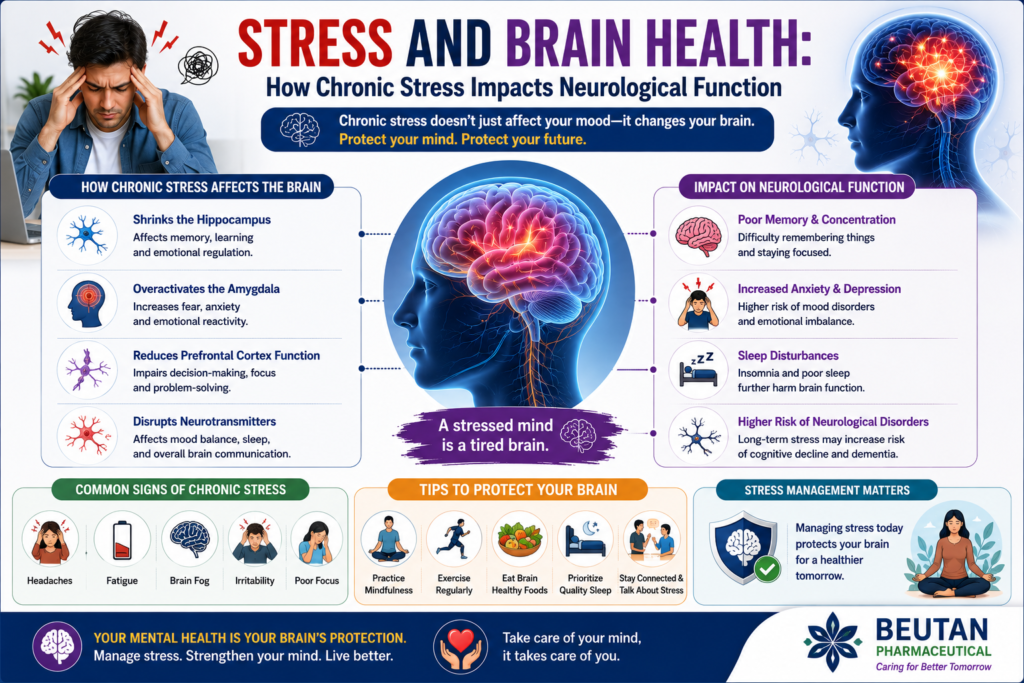
How Chronic Stress Impacts Neurological Function
Stress is a natural part of life. Whether it’s meeting work deadlines, managing family responsibilities, facing financial pressures, or navigating unexpected challenges, everyone experiences stress from time to time. In small amounts, stress can be beneficial, helping individuals stay alert, focused, and motivated.
However, when stress becomes persistent and overwhelming, it can begin to affect both physical and mental health. One of the most significant yet often overlooked consequences of chronic stress is its impact on the brain and nervous system.
The relationship between stress and brain health has become an important area of medical research. Studies suggest that prolonged stress can influence memory, concentration, emotional regulation, and even long-term neurological health. Understanding how stress affects the brain is essential for taking proactive steps to protect cognitive function and overall well-being.
What Happens in the Brain During Stress?
When a person encounters a stressful situation, the body activates its natural “fight-or-flight” response.
This response involves the release of stress hormones, including:
- Cortisol
- Adrenaline
- Norepinephrine
These hormones prepare the body to respond quickly to potential threats by increasing heart rate, blood pressure, and alertness.
In short-term situations, this response is helpful and adaptive. Once the stressful event passes, hormone levels typically return to normal.
The problem arises when stress becomes chronic and the body’s stress response remains activated for extended periods.
Understanding Chronic Stress
Chronic stress occurs when a person experiences ongoing psychological or emotional pressure without adequate recovery.
Common sources include:
- Workplace stress
- Financial concerns
- Relationship difficulties
- Caregiving responsibilities
- Academic pressure
- Health-related worries
Unlike temporary stress, chronic stress can persist for weeks, months, or even years, placing continuous strain on the brain and nervous system.
The Connection Between Stress and Brain Health
The brain is highly sensitive to prolonged exposure to stress hormones.
While occasional stress may have minimal effects, chronic stress can gradually alter brain structure and function.
These changes may affect cognitive performance, emotional health, and neurological well-being.
Impact on Memory
One of the most commonly reported effects of chronic stress is difficulty with memory.
The hippocampus, a region of the brain involved in learning and memory formation, is particularly vulnerable to prolonged exposure to cortisol.
As stress levels remain elevated, individuals may experience:
- Forgetfulness
- Difficulty recalling information
- Trouble learning new concepts
- Reduced mental clarity
Many people describe this experience as “brain fog.”
Reduced Concentration and Focus
Chronic stress can make it difficult to concentrate on tasks.
Individuals may notice:
- Increased distractibility
- Difficulty completing projects
- Reduced attention span
- Problems making decisions
This occurs because stress affects communication between various brain regions responsible for executive functioning and attention control.
Emotional Regulation Challenges
The brain’s emotional processing centers can also be affected by prolonged stress.
As stress continues, individuals may become more susceptible to:
- Irritability
- Mood swings
- Anxiety
- Emotional exhaustion
Small challenges that were once manageable may begin to feel overwhelming.
Increased Risk of Anxiety Disorders
Persistent stress may contribute to heightened anxiety levels.
The brain becomes more sensitive to perceived threats, causing individuals to remain in a state of heightened alertness even when no immediate danger exists.
This constant state of vigilance can affect:
- Sleep quality
- Daily functioning
- Emotional well-being
- Interpersonal relationships
Sleep Disruption and Brain Function
Sleep and brain health are closely connected.
Unfortunately, chronic stress often interferes with healthy sleep patterns.
Common stress-related sleep issues include:
- Difficulty falling asleep
- Frequent nighttime awakenings
- Poor sleep quality
- Early morning awakening
Inadequate sleep further impacts:
- Memory
- Concentration
- Emotional regulation
- Cognitive performance
This creates a cycle where stress affects sleep, and poor sleep worsens stress.
Effects on Neurological Health
Researchers continue to study the long-term relationship between stress and neurological function.
Emerging evidence suggests that prolonged exposure to chronic stress may influence:
- Cognitive aging
- Brain plasticity
- Neuroinflammation
- Overall neurological resilience
Although occasional stress is normal, long-term unmanaged stress may place additional strain on brain health over time.
Physical Symptoms Linked to Brain Stress
The effects of chronic stress extend beyond mental and emotional symptoms.
Individuals may also experience:
Headaches
Stress-related headaches are among the most common neurological complaints.
Muscle Tension
Prolonged stress often causes tightness in the neck, shoulders, and jaw.
Fatigue
Mental exhaustion frequently contributes to persistent physical fatigue.
Dizziness
Some individuals report dizziness or feelings of imbalance during periods of intense stress.
Digestive Disturbances
The nervous system and digestive system are closely connected, meaning stress can affect gastrointestinal function as well.
Who Is Most Vulnerable to Chronic Stress?
While anyone can experience chronic stress, certain factors may increase susceptibility.
High-Pressure Occupations
Individuals working in demanding environments often face increased stress exposure.
Caregivers
Providing long-term care for loved ones can be emotionally and physically demanding.
Students
Academic pressure can contribute to prolonged stress, particularly during examinations or major transitions.
Individuals with Chronic Illness
Managing ongoing health conditions may increase emotional burden.
People Experiencing Major Life Changes
Events such as relocation, job loss, divorce, or financial hardship can trigger prolonged stress responses.
Protecting Brain Health from Chronic Stress
Fortunately, there are several evidence-based strategies that can help reduce stress and support neurological well-being.
Prioritize Quality Sleep
Sleep is essential for brain recovery and cognitive function.
Helpful sleep habits include:
- Maintaining a consistent sleep schedule
- Limiting screen exposure before bedtime
- Creating a relaxing sleep environment
- Avoiding excessive caffeine late in the day
Engage in Regular Physical Activity
Exercise offers benefits for both physical and mental health.
Regular movement may help:
- Reduce stress hormone levels
- Improve mood
- Enhance concentration
- Support brain function
Activities such as walking, cycling, swimming, and yoga can be beneficial.
Practice Mindfulness and Relaxation Techniques
Mindfulness-based practices may help calm the nervous system.
Examples include:
- Meditation
- Deep breathing exercises
- Guided relaxation
- Yoga
These techniques can help reduce the body’s stress response and improve emotional resilience.
Maintain Social Connections
Strong social support is an important protective factor against chronic stress.
Talking with trusted friends, family members, or support groups can help individuals cope more effectively with life’s challenges.
Follow a Brain-Healthy Diet
Nutrition plays an important role in neurological health.
Focus on:
- Fruits and vegetables
- Whole grains
- Healthy fats
- Lean proteins
- Adequate hydration
A balanced diet supports both brain function and overall wellness.
Set Healthy Boundaries
Learning to manage workload and personal commitments can help prevent burnout.
Strategies include:
- Prioritizing tasks
- Delegating responsibilities
- Taking regular breaks
- Allowing time for relaxation
When Should You Seek Professional Help?
Occasional stress is normal, but professional support may be beneficial if symptoms become persistent or overwhelming.
Consider consulting a healthcare professional if stress is causing:
- Significant anxiety
- Persistent sleep disturbances
- Difficulty functioning at work or home
- Frequent panic symptoms
- Ongoing emotional distress
Early intervention can help prevent more serious health consequences.
FAQs
Chronic stress can affect memory, concentration, emotional regulation, and overall cognitive function by increasing exposure to stress hormones such as cortisol.
Yes. Prolonged stress may interfere with the brain's ability to process, store, and recall information effectively.
Absolutely. Stress commonly contributes to insomnia, poor sleep quality, and frequent nighttime awakenings.
Regular physical activity may help reduce stress levels, improve mood, and support healthy brain function.
If stress significantly affects daily life, work performance, relationships, sleep, or emotional well-being, professional guidance may be beneficial.