
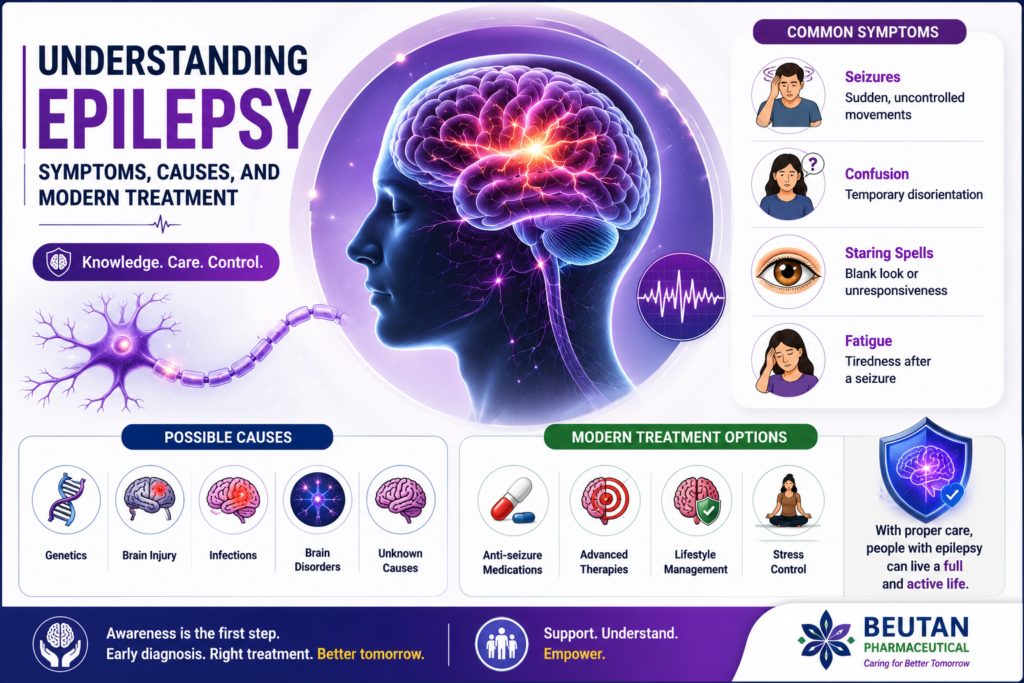
Understanding Epilepsy: Symptoms, Causes, and Modern Treatment
Epilepsy is one of the most common neurological disorders worldwide, affecting people of all ages. Despite growing awareness, many misconceptions still surround this condition. Some people believe epilepsy only causes dramatic seizures, while others assume it cannot be managed effectively. In reality, epilepsy is a complex neurological condition that varies significantly from person to person.
With advances in medical science, early diagnosis and appropriate epilepsy treatment can help many individuals lead active, productive, and fulfilling lives. Understanding the symptoms, causes, and available treatment options is essential for patients, caregivers, and families.
This comprehensive guide explains epilepsy in simple terms while exploring modern approaches to diagnosis and treatment.
What Is Epilepsy?
Epilepsy is a neurological disorder characterized by recurrent, unprovoked seizures. A seizure occurs when there is a sudden burst of abnormal electrical activity in the brain.
The brain relies on electrical signals to communicate between nerve cells. When these signals become disrupted, temporary changes in behavior, movement, awareness, sensation, or consciousness may occur.
Having a single seizure does not necessarily mean a person has epilepsy. The condition is generally diagnosed when an individual experiences recurrent seizures that are not caused by an immediate medical condition or temporary trigger.
How Common Is Epilepsy?
Epilepsy affects millions of people globally and can develop at any stage of life.
Although it is often diagnosed during childhood or later adulthood, the condition can occur in individuals of any age. With proper medical care and awareness, many people successfully manage epilepsy and maintain a high quality of life.
Understanding Seizures
Seizures are the primary symptom of epilepsy, but they do not look the same in every person.
The type of seizure depends on which area of the brain is affected and how far the abnormal electrical activity spreads.
Common Types of Seizures
Focal Seizures
Focal seizures begin in one specific area of the brain.
Symptoms may include:
- Temporary confusion
- Unusual sensations
- Repetitive movements
- Changes in emotions
- Altered awareness
Some individuals remain fully conscious during these episodes.
Generalized Seizures
Generalized seizures affect both sides of the brain simultaneously.
Possible symptoms include:
- Loss of consciousness
- Muscle stiffness
- Rhythmic jerking movements
- Sudden falls
- Brief staring episodes
These seizures are often more noticeable to others.
Common Symptoms of Epilepsy
While seizures are the hallmark symptom, epilepsy may involve several other signs.
Recurrent Seizures
Repeated seizure episodes are the most common indicator.
Temporary Confusion
Some individuals experience confusion before or after a seizure.
Staring Spells
Brief episodes of unresponsiveness may occur, especially in certain seizure types.
Uncontrolled Movements
Jerking or twitching of the arms, legs, or face may be observed.
Loss of Awareness
Some seizures temporarily affect consciousness and awareness of surroundings.
Emotional Changes
Sudden feelings of fear, anxiety, déjà vu, or unusual sensations can sometimes occur before a seizure.
Fatigue After Seizures
Many individuals feel tired or weak following a seizure episode.
What Causes Epilepsy?
In many cases, the exact cause of epilepsy cannot be identified. However, several factors may increase the likelihood of developing the condition.
Genetic Factors
Certain forms of epilepsy may have a genetic component.
A family history of epilepsy can increase susceptibility in some individuals.
Head Injuries
Traumatic brain injuries resulting from accidents, sports injuries, or falls may contribute to seizure disorders.
Brain Conditions
Various neurological conditions can affect normal brain function and increase seizure risk.
Examples include:
- Brain tumors
- Stroke
- Developmental abnormalities
Infections Affecting the Brain
Certain infections may damage brain tissue and contribute to epilepsy.
Prenatal and Birth-Related Factors
Complications during pregnancy or childbirth that affect brain development may increase the risk of epilepsy later in life.
Developmental Disorders
Some neurological and developmental conditions are associated with a higher incidence of epilepsy.
Common Seizure Triggers
Although triggers do not cause epilepsy itself, they may increase the likelihood of seizures in susceptible individuals.
Common triggers include:
Sleep Deprivation
Lack of sleep is one of the most frequently reported seizure triggers.
Emotional Stress
Stress can influence brain activity and increase seizure risk.
Illness and Fever
Infections and fever may trigger seizures in certain individuals.
Flashing Lights
Photosensitive epilepsy may be triggered by flashing or flickering lights.
Alcohol Misuse
Excessive alcohol consumption may increase seizure risk.
Missed Medications
Failure to follow prescribed treatment plans may contribute to seizure recurrence.
How Epilepsy Affects Daily Life
Epilepsy can impact more than physical health.
Some individuals experience challenges related to:
- Education
- Employment
- Driving
- Social activities
- Mental well-being
However, proper treatment and support often allow individuals to participate fully in daily life.
Diagnosis of Epilepsy
Accurate diagnosis is essential for developing an effective treatment plan.
Medical History
Healthcare providers review:
- Seizure patterns
- Family history
- Previous medical conditions
- Potential triggers
Neurological Examination
A detailed examination helps assess nervous system function.
Brain Imaging
Imaging studies may be used to evaluate brain structure and identify potential abnormalities.
Electrical Brain Activity Assessment
Specialized tests may evaluate electrical activity within the brain to help confirm a diagnosis.
Epilepsy Treatment: Modern Approaches
The primary goal of epilepsy treatment is to reduce or eliminate seizures while improving quality of life.
Treatment plans are personalized according to the individual’s condition, seizure type, age, and overall health.
Medication Management
For many individuals, medication is the first line of treatment.
When used appropriately under medical supervision, treatment may help reduce seizure frequency and severity.
Consistency is important because missed doses can increase seizure risk.
Lifestyle Modifications
Healthy lifestyle habits can play a valuable role in seizure management.
Maintain Regular Sleep Patterns
Adequate sleep supports healthy brain function.
Manage Stress Effectively
Stress reduction techniques may include:
- Meditation
- Deep breathing exercises
- Yoga
- Mindfulness practices
Follow a Balanced Diet
Good nutrition supports overall neurological health.
Avoid Known Triggers
Identifying and managing personal seizure triggers can help reduce episodes.
Supportive Therapies
Certain individuals may benefit from additional supportive care designed to improve overall well-being and daily functioning.
Safety Precautions for People with Epilepsy
Taking appropriate precautions can help reduce injury risk.
Helpful measures include:
- Informing family members and coworkers
- Following treatment recommendations
- Avoiding high-risk activities without guidance
- Maintaining regular medical follow-up
Living Well with Epilepsy
Many people with epilepsy lead successful and independent lives.
Key strategies include:
- Staying informed about the condition
- Following treatment plans
- Maintaining healthy habits
- Building a strong support system
Education and awareness can significantly improve confidence and quality of life.
When Should You Seek Medical Attention?
Medical evaluation is important if you experience:
- A first-time seizure
- Increased seizure frequency
- Changes in seizure patterns
- Injuries during seizures
- Prolonged recovery after seizures
Prompt assessment helps ensure appropriate care and management.
FAQs
Epilepsy is a neurological disorder characterized by recurrent, unprovoked seizures caused by abnormal electrical activity in the brain.
While epilepsy may not always be curable, many individuals successfully control seizures with appropriate treatment and medical care.
Common triggers include sleep deprivation, stress, illness, flashing lights, alcohol misuse, and missed medications.
Some forms of epilepsy may have a genetic component, although not all cases are inherited.
A person should seek medical attention after a first seizure, increased seizure frequency, prolonged seizures, or any unusual changes in symptoms.