
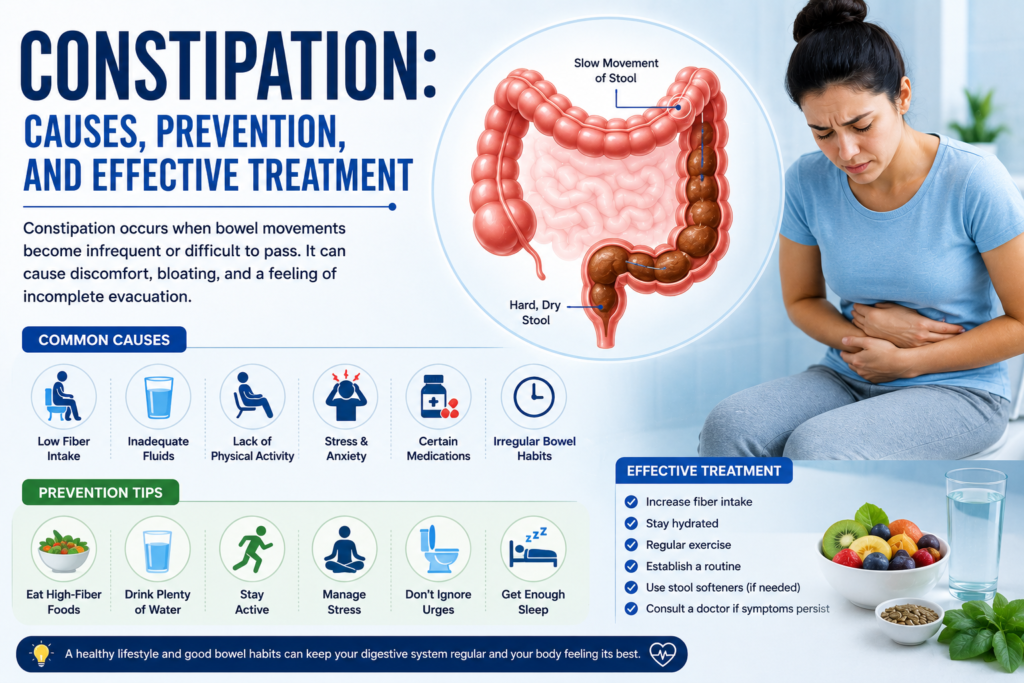
The digestive system plays a vital role in maintaining overall health. Every day, it works to break down food, absorb nutrients, eliminate waste, and support many essential bodily functions. When the digestive system is functioning properly, most people hardly think about it. However, when problems develop, even simple daily activities can become uncomfortable and challenging.
Digestive disorders are among the most common health concerns worldwide. While some digestive issues may be temporary and harmless, others can indicate underlying conditions that require medical attention. Unfortunately, many people ignore early warning signs, assuming symptoms will disappear on their own.
Recognizing digestive disorders symptoms early can help identify potential problems before they become more serious. Early diagnosis often leads to better treatment outcomes and improved quality of life.
This guide explores common digestive disorders, their warning signs, causes, risk factors, diagnostic approaches, treatment options, and preventive measures.
Overview of Digestive Disorders
Digestive disorders refer to conditions that affect any part of the digestive tract, including:
- Esophagus
- Stomach
- Small intestine
- Large intestine
- Rectum
- Liver
- Gallbladder
- Pancreas
Some digestive conditions are short-term, while others may become chronic and require ongoing management.
Common digestive disorders include:
Gastroesophageal Reflux Disease (GERD)
A condition where stomach acid repeatedly flows back into the esophagus.
Irritable Bowel Syndrome (IBS)
A functional digestive disorder affecting bowel habits and abdominal comfort.
Constipation
Difficulty passing stools or infrequent bowel movements.
Gastritis
Inflammation of the stomach lining.
Peptic Ulcers
Open sores that develop within the digestive tract.
Inflammatory Bowel Conditions
Chronic conditions that affect the digestive system and may cause inflammation.
Liver and Gallbladder Disorders
Conditions affecting digestive organs that support nutrient processing and metabolism.
Although symptoms vary depending on the condition, many digestive disorders share common warning signs.
Common Warning Symptoms
Recognizing symptoms early is one of the most important steps in protecting digestive health.
Persistent Abdominal Pain
Occasional stomach discomfort is common, but ongoing or recurring abdominal pain should not be ignored.
Pain may vary in intensity and location depending on the underlying condition.
Persistent discomfort often warrants medical evaluation.
Frequent Bloating
Bloating occurs when the abdomen feels swollen, tight, or overly full.
Occasional bloating after meals is normal, but persistent bloating may indicate digestive imbalance or an underlying disorder.
Heartburn and Acid Reflux
Frequent burning sensations in the chest or throat may suggest acid reflux or GERD.
Symptoms may worsen:
- After meals
- At night
- When lying down
Recurring reflux should be evaluated to prevent complications.
Changes in Bowel Habits
Significant alterations in bowel patterns may indicate digestive issues.
Examples include:
- Chronic constipation
- Frequent diarrhea
- Alternating constipation and diarrhea
- Changes in stool consistency
Persistent changes should never be ignored.
Nausea and Vomiting
Recurring nausea may indicate digestive tract irritation or other gastrointestinal concerns.
Persistent symptoms require medical attention.
Difficulty Swallowing
Trouble swallowing food or liquids may suggest an issue affecting the esophagus.
This symptom should always be professionally evaluated.
Unexplained Weight Loss
Weight loss without intentional dietary changes or increased physical activity may signal an underlying digestive disorder.
Blood in Stool
Visible blood or dark-colored stools should always be taken seriously.
Prompt medical assessment is essential.
Fatigue
Digestive disorders can affect nutrient absorption, potentially contributing to:
- Fatigue
- Weakness
- Reduced energy levels
Excessive Gas
Persistent gas accompanied by other symptoms may indicate digestive imbalance.
Causes and Risk Factors
Many factors can contribute to digestive disorders.
Understanding these factors may help individuals reduce their risk.
Poor Dietary Habits
A diet high in processed foods and low in fiber may negatively affect digestive health.
Chronic Stress
Stress can influence digestive function through the gut-brain connection.
Many individuals experience worsening digestive symptoms during stressful periods.
Lack of Physical Activity
Regular movement supports healthy digestion and bowel function.
Smoking
Smoking has been linked to several digestive disorders.
Excessive Alcohol Consumption
Alcohol may irritate the digestive tract and contribute to digestive problems.
Obesity
Excess body weight increases the risk of several gastrointestinal conditions.
Family History
Some digestive disorders may have a genetic component.
Certain Medications
Some medications may affect digestive function or contribute to symptoms.
Diagnosis Methods
Accurate diagnosis helps identify the underlying cause of digestive symptoms and guide treatment decisions.
Medical History
Healthcare providers often begin by reviewing:
- Symptoms
- Dietary habits
- Lifestyle factors
- Family history
- Existing health conditions
Physical Examination
A physical examination may help identify signs of digestive disease.
Laboratory Testing
Blood and stool tests may provide valuable information about digestive health.
Imaging Studies
Imaging techniques may be used to evaluate digestive organs and identify structural abnormalities.
Specialized Digestive Evaluations
Depending on symptoms, healthcare providers may recommend additional assessments to examine specific areas of the digestive tract.
Treatment Approaches
The most appropriate treatment depends on the specific condition causing symptoms.
The goal is to manage symptoms, improve digestive function, and address underlying causes.
Lifestyle Modifications
Healthy lifestyle habits often play an important role in digestive health management.
Examples include:
- Eating balanced meals
- Staying hydrated
- Exercising regularly
- Maintaining a healthy weight
Dietary Changes
Nutritional adjustments may help reduce symptoms and support digestive function.
Individual recommendations vary depending on the condition.
Stress Management
Reducing stress may improve symptoms in many digestive disorders.
Helpful techniques include:
- Meditation
- Yoga
- Deep breathing exercises
- Mindfulness practices
Medical Management
Healthcare professionals may recommend personalized treatment plans based on diagnosis, symptom severity, and overall health status.
Ongoing Monitoring
Certain digestive conditions require periodic follow-up to monitor progress and prevent complications.
Prevention Tips
Although not all digestive disorders can be prevented, healthy habits can reduce risk and support long-term digestive wellness.
Eat a Fiber-Rich Diet
Fiber supports healthy digestion and bowel regularity.
Include:
- Fruits
- Vegetables
- Whole grains
- Legumes
Stay Hydrated
Adequate fluid intake supports digestive processes and healthy bowel function.
Exercise Regularly
Physical activity promotes healthy digestion and overall well-being.
Manage Stress
Maintaining emotional well-being can positively influence digestive health.
Avoid Smoking
Smoking cessation benefits both digestive and overall health.
Limit Alcohol Intake
Moderation helps reduce digestive irritation and liver-related risks.
Attend Regular Health Checkups
Routine evaluations can help detect problems before they become severe.
When Should You See a Doctor?
Seek medical advice if you experience:
- Persistent abdominal pain
- Ongoing heartburn
- Difficulty swallowing
- Blood in stool
- Unexplained weight loss
- Chronic constipation or diarrhea
- Symptoms that interfere with daily life
Early medical evaluation can lead to more effective management and better outcomes.
FAQs
Common symptoms include abdominal pain, bloating, heartburn, constipation, diarrhea, nausea, and changes in bowel habits.
Symptoms such as blood in stool, unexplained weight loss, persistent pain, or difficulty swallowing should be medically evaluated.
Yes. Stress can influence digestive function and may worsen symptoms in certain digestive disorders.
A balanced diet, regular exercise, adequate hydration, stress management, and healthy lifestyle habits can support digestive wellness.
While not all digestive conditions can be prevented, many risks can be reduced through healthy habits and regular medical care.