Fatty Liver Disease: Causes, Symptoms, Stages, and Treatment
The liver is one of the most important organs in the human body. It performs hundreds of essential functions, including filtering toxins, processing nutrients, supporting digestion, and regulating metabolism. However, modern lifestyle habits, unhealthy diets, obesity, and metabolic disorders have contributed to a growing health concern known as Fatty Liver Disease.
Many people are unaware they have fatty liver disease because the condition often develops silently without obvious symptoms in its early stages. If left unmanaged, it may progress to more serious liver complications over time.
Fortunately, early diagnosis and appropriate fatty liver treatment can help prevent disease progression and support long-term liver health. Understanding the causes, symptoms, stages, and treatment options is the first step toward protecting this vital organ.
What Is Fatty Liver Disease?
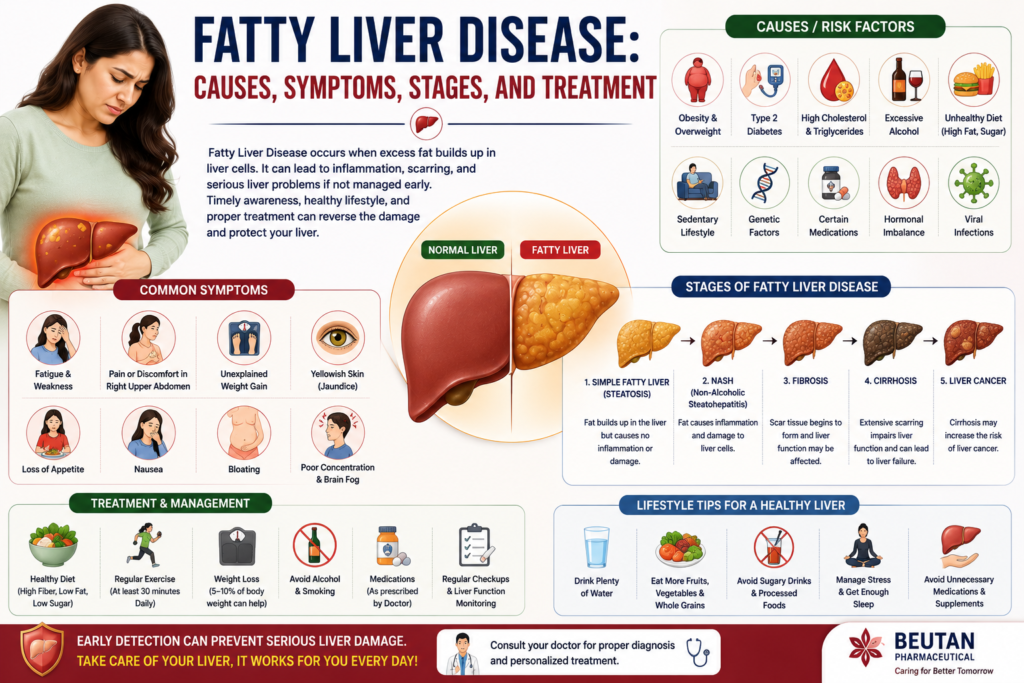
Fatty liver disease occurs when excess fat accumulates inside liver cells. While small amounts of fat in the liver are normal, excessive fat buildup can interfere with normal liver function and increase the risk of inflammation and liver damage.
The condition is becoming increasingly common worldwide and is often associated with obesity, diabetes, and unhealthy lifestyle habits.
Fatty liver disease can affect individuals of all ages, including young adults and children.
Types of Fatty Liver Disease
There are two primary forms of fatty liver disease.
Non-Alcoholic Fatty Liver Disease (NAFLD)
Non-alcoholic fatty liver disease occurs in people who consume little or no alcohol.
It is commonly associated with:
- Obesity
- Type 2 diabetes
- Insulin resistance
- High cholesterol
- Metabolic syndrome
NAFLD is currently one of the most common liver disorders worldwide.
Alcohol-Related Fatty Liver Disease
This form develops due to excessive alcohol consumption.
The liver prioritizes alcohol metabolism, which can lead to fat accumulation and inflammation within liver tissues.
Reducing alcohol intake is an important component of managing this condition.
Causes of Fatty Liver Disease
Several factors may contribute to the development of fatty liver disease.
Obesity
Excess body weight is one of the strongest risk factors.
Increased fat storage throughout the body often leads to fat accumulation in the liver.
Insulin Resistance
When the body’s cells become less responsive to insulin, fat metabolism may become disrupted.
This can increase liver fat deposits and contribute to disease progression.
Type 2 Diabetes
Individuals with diabetes are at a higher risk of developing fatty liver disease due to metabolic changes and insulin resistance.
High Cholesterol and Triglycerides
Elevated blood fat levels may contribute to liver fat accumulation.
Poor Dietary Habits
Frequent consumption of:
- Sugary beverages
- Processed foods
- Refined carbohydrates
- Excess calories
may increase the likelihood of fatty liver development.
Physical Inactivity
A sedentary lifestyle can contribute to weight gain and metabolic dysfunction.
Excessive Alcohol Consumption
Long-term alcohol use remains a major cause of liver fat accumulation and liver damage.
Symptoms of Fatty Liver Disease
One of the challenges associated with fatty liver disease is that many individuals experience no symptoms during the early stages.
When symptoms occur, they may include:
Persistent Fatigue
Many people report ongoing tiredness and low energy levels.
Discomfort in the Upper Right Abdomen
Some individuals experience mild discomfort or a feeling of fullness near the liver area.
Weakness
Reduced energy and general weakness may occur as the condition progresses.
Unexplained Weight Changes
Metabolic disturbances may affect body weight in some cases.
Difficulty Concentrating
Some individuals report reduced mental clarity and concentration.
Because symptoms are often subtle, routine health evaluations play an important role in early detection.
Stages of Fatty Liver Disease
Fatty liver disease can progress through several stages if left unmanaged.
Stage 1: Simple Fatty Liver (Steatosis)
This is the earliest stage.
Excess fat accumulates in liver cells, but significant inflammation or permanent damage is usually absent.
Many individuals remain unaware they have the condition at this stage.
Stage 2: Fatty Liver with Inflammation
As the condition progresses, liver inflammation may develop.
Inflammation increases the risk of ongoing liver injury.
Stage 3: Fibrosis
Chronic inflammation can lead to the formation of scar tissue around liver cells.
At this stage, the liver may still function relatively well, but damage is becoming more significant.
Stage 4: Cirrhosis
Cirrhosis represents advanced liver scarring.
Severe scarring can interfere with normal liver function and increase the risk of serious health complications.
Early intervention is essential to reduce the likelihood of progression to this stage.
Risk Factors for Fatty Liver Disease
Certain individuals may be at greater risk.
Obesity
Excess body weight remains a major contributor.
Type 2 Diabetes
Diabetes significantly increases risk.
High Blood Pressure
Cardiovascular and metabolic conditions often coexist with fatty liver disease.
High Cholesterol
Abnormal lipid levels contribute to fat accumulation.
Sedentary Lifestyle
Lack of physical activity may increase susceptibility.
Family History
Genetic factors may influence individual risk.
How Is Fatty Liver Disease Diagnosed?
Early diagnosis allows for timely management and improved outcomes.
Medical History
Healthcare providers review:
- Lifestyle habits
- Alcohol consumption
- Existing health conditions
- Family history
Physical Examination
A healthcare professional may assess overall health and look for signs of liver enlargement.
Blood Tests
Laboratory testing may evaluate:
- Liver enzymes
- Blood sugar levels
- Cholesterol levels
- Metabolic markers
Imaging Studies
Imaging techniques may help identify liver fat accumulation and assess liver health.
Fatty Liver Treatment: Effective Management Strategies
The primary goal of fatty liver treatment is to reduce liver fat, improve liver function, and prevent disease progression.
Achieve and Maintain a Healthy Weight
Weight management is one of the most effective approaches for improving fatty liver disease.
Even moderate weight reduction may help decrease liver fat and improve metabolic health.
Follow a Liver-Friendly Diet
A balanced diet plays a central role in fatty liver treatment.
Include:
- Fruits
- Vegetables
- Whole grains
- Lean proteins
- Healthy fats
Limit:
- Sugary foods
- Refined carbohydrates
- Processed snacks
- Excess calories
Healthy eating habits support both liver and overall health.
Increase Physical Activity
Regular exercise may help:
- Reduce liver fat
- Improve insulin sensitivity
- Support healthy weight management
- Improve cardiovascular health
Consistency is often more important than intensity.
Control Blood Sugar Levels
Individuals with diabetes should work closely with healthcare providers to maintain healthy glucose control.
Improved blood sugar management may reduce liver-related complications.
Manage Cholesterol Levels
Maintaining healthy cholesterol and triglyceride levels can support liver function and reduce metabolic risk.
Avoid Excess Alcohol
Reducing or eliminating alcohol consumption is particularly important for protecting liver health.
Regular Medical Monitoring
Routine follow-up allows healthcare providers to monitor liver function and assess treatment progress.
Early intervention remains one of the most effective tools for preventing complications.
Can Fatty Liver Disease Be Reversed?
In many cases, early-stage fatty liver disease can improve significantly through lifestyle modifications.
The liver has a remarkable ability to heal when damaging factors are addressed promptly.
The likelihood of improvement depends on:
- Disease stage
- Overall health
- Treatment adherence
- Lifestyle habits
Prevention Tips
Several healthy habits may reduce the risk of developing fatty liver disease.
Maintain a Healthy Weight
Healthy body weight supports liver function.
Stay Physically Active
Regular movement promotes metabolic health.
Eat a Balanced Diet
Choose nutrient-rich foods while limiting processed products.
Monitor Health Conditions
Proper management of diabetes, cholesterol, and blood pressure can reduce risk.
Limit Alcohol Intake
Moderation is important for long-term liver protection.
When Should You See a Doctor?
Seek medical evaluation if you experience:
- Persistent fatigue
- Unexplained abdominal discomfort
- Elevated liver enzyme levels
- Risk factors such as obesity or diabetes
- Concerns about liver health
Early diagnosis often leads to better outcomes.
FAQs
Obesity, insulin resistance, and unhealthy lifestyle habits are among the most common causes.
Early-stage fatty liver disease can often improve significantly through lifestyle modifications and proper medical management.
Symptoms may include fatigue, weakness, abdominal discomfort, and elevated liver enzyme levels, although many individuals have no symptoms initially.
If left untreated, fatty liver disease may progress to inflammation, fibrosis, and cirrhosis.
Highly processed foods, sugary beverages, excess refined carbohydrates, and excessive alcohol intake are commonly discouraged.