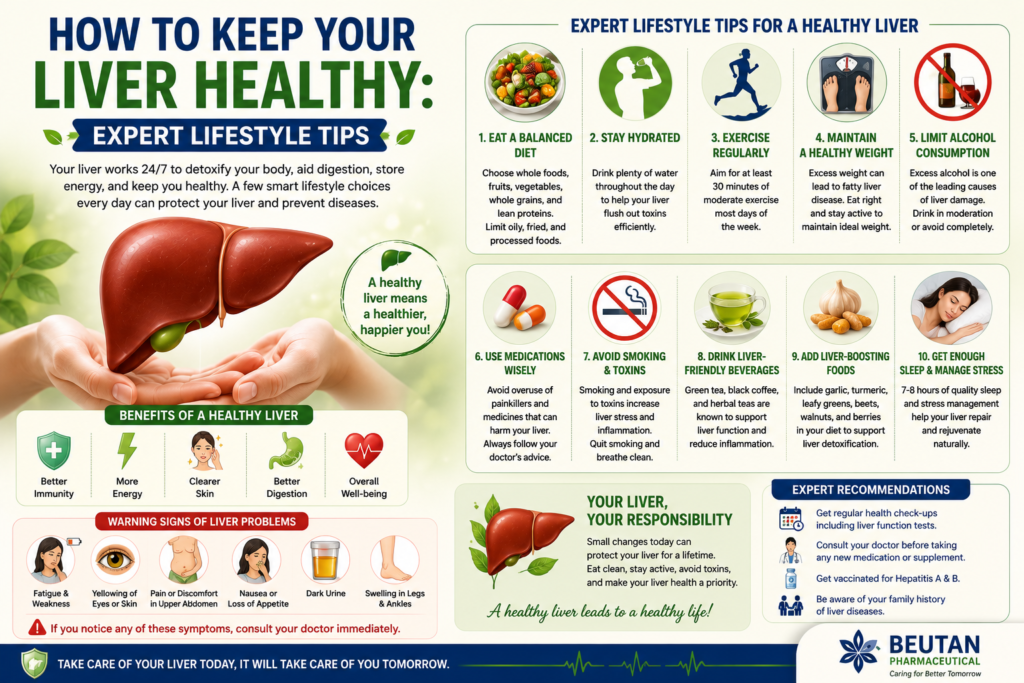
How to Keep Your Liver Healthy: Expert Lifestyle Tips
The liver is often called the body’s natural detoxification center, and for good reason. This remarkable organ performs hundreds of essential functions every day, including filtering toxins from the blood, processing nutrients, producing important proteins, supporting digestion, and regulating metabolism.
Despite its importance, liver health is frequently overlooked until a problem develops. Modern lifestyles characterized by unhealthy eating habits, lack of physical activity, excessive alcohol consumption, and chronic stress can place significant strain on the liver over time.
The good news is that the liver has an impressive ability to repair and regenerate itself when given the proper support. By following practical liver health tips, individuals can help maintain healthy liver function and reduce the risk of liver-related complications.
In this guide, we will explore expert-backed lifestyle habits that support liver wellness and contribute to overall health.
Why Is Liver Health Important?
The liver is one of the hardest-working organs in the body.
Its responsibilities include:
- Processing nutrients from food
- Producing bile for digestion
- Storing vitamins and minerals
- Regulating blood sugar levels
- Removing toxins and waste products
- Supporting immune function
- Helping metabolize medications
Because the liver is involved in so many critical processes, maintaining its health is essential for overall well-being.
Common Factors That Affect Liver Health
Several lifestyle and health-related factors can impact liver function.
These include:
- Obesity
- Excess alcohol consumption
- Poor dietary habits
- Physical inactivity
- Viral infections
- Certain medications
- Metabolic disorders
- Chronic stress
Understanding these risk factors can help individuals make healthier choices.
Liver Health Tips for Long-Term Wellness
Protecting the liver does not necessarily require drastic changes. Small, consistent habits often have the greatest impact over time.
Maintain a Healthy Body Weight
One of the most effective liver health tips is maintaining a healthy weight.
Excess body fat, particularly around the abdomen, can increase the risk of fat accumulation in the liver. Over time, this may contribute to fatty liver disease and other metabolic health concerns.
Healthy weight management supports:
- Better liver function
- Improved metabolism
- Reduced inflammation
- Better overall health
Even modest weight loss can positively affect liver health.
Follow a Balanced and Nutritious Diet
The foods you eat directly influence liver function.
A nutrient-rich diet can help support liver health while reducing the burden placed on the organ.
Include More Fruits and Vegetables
Fruits and vegetables provide:
- Vitamins
- Minerals
- Antioxidants
- Fiber
These nutrients help protect cells from damage and support overall health.
Choose Whole Grains
Whole grains offer:
- Sustained energy
- Fiber
- Nutritional value
Examples include:
- Oats
- Brown rice
- Whole wheat products
- Quinoa
Eat Lean Protein Sources
Protein supports tissue repair and metabolic function.
Healthy options include:
- Fish
- Poultry
- Beans
- Lentils
- Eggs
Include Healthy Fats
Not all fats are harmful.
Healthy fats found in:
- Nuts
- Seeds
- Olive oil
- Avocados
can support overall wellness when consumed in moderation.
Limit Processed and Sugary Foods
Highly processed foods often contain excessive amounts of:
- Sugar
- Salt
- Unhealthy fats
- Artificial additives
Regular consumption may increase the risk of:
- Weight gain
- Insulin resistance
- Fatty liver disease
Reducing sugary beverages and processed snacks is one of the simplest ways to support liver health.
Stay Physically Active
Exercise benefits nearly every organ in the body, including the liver.
Regular physical activity may help:
- Improve metabolism
- Reduce liver fat
- Support healthy weight management
- Improve insulin sensitivity
Recommended Activities
Simple forms of exercise include:
- Walking
- Cycling
- Swimming
- Yoga
- Strength training
Consistency is more important than intensity.
Even moderate activity performed regularly can provide significant health benefits.
Stay Properly Hydrated
Water is essential for many bodily functions, including those related to liver health.
Adequate hydration supports:
- Nutrient transport
- Waste removal
- Digestion
- Overall metabolic function
Replacing sugary beverages with water can further reduce strain on the liver.
Limit Alcohol Consumption
Excessive alcohol intake remains one of the most common causes of liver damage worldwide.
Alcohol can contribute to:
- Fat accumulation
- Inflammation
- Liver scarring
- Reduced liver function
Individuals who choose to drink alcohol should do so responsibly and according to medical recommendations.
Be Cautious with Medications
The liver plays a major role in processing medications and supplements.
Taking medications improperly may place additional stress on the liver.
Important Safety Practices
- Follow dosage instructions carefully
- Avoid self-medicating
- Inform healthcare providers about all medications and supplements being used
Responsible medication use helps protect liver function.
Avoid Exposure to Harmful Toxins
Certain chemicals may affect liver health when exposure occurs over time.
Examples include:
- Industrial chemicals
- Cleaning products
- Pesticides
- Solvents
When handling potentially harmful substances:
- Use protective equipment
- Follow safety guidelines
- Ensure proper ventilation
Manage Chronic Health Conditions
Several medical conditions can increase the risk of liver problems.
Examples include:
Type 2 Diabetes
Poor blood sugar control may contribute to fatty liver disease.
High Cholesterol
Elevated cholesterol levels can affect liver function and metabolic health.
High Blood Pressure
Managing cardiovascular health supports overall wellness.
Regular medical follow-up is important for controlling these conditions.
Prioritize Quality Sleep
Sleep is often overlooked when discussing liver health.
However, adequate sleep supports:
- Hormonal balance
- Metabolism
- Cellular repair
- Immune function
Adults should aim for consistent, restorative sleep each night whenever possible.
Manage Stress Effectively
Chronic stress can indirectly affect physical health through its impact on lifestyle habits, sleep, and overall well-being.
Healthy stress management strategies include:
- Meditation
- Deep breathing exercises
- Yoga
- Walking outdoors
- Spending time with family and friends
Supporting mental wellness can also support physical health.
Get Regular Health Checkups
Many liver conditions develop without obvious symptoms during the early stages.
Routine health evaluations can help detect issues before complications arise.
Healthcare providers may recommend:
- Blood tests
- Liver function assessments
- Health screenings based on individual risk factors
Early detection often leads to better outcomes.
Signs That May Indicate Liver Problems
Although many liver conditions are silent initially, some warning signs may develop as disease progresses.
Potential symptoms include:
- Persistent fatigue
- Loss of appetite
- Abdominal discomfort
- Unexplained weight changes
- Dark urine
- Yellowing of the skin or eyes
- Swelling in the abdomen
Any concerning symptoms should be evaluated by a healthcare professional.
Foods That Support Liver Health
Several nutrient-rich foods are often included in liver-friendly diets.
Examples include:
- Leafy green vegetables
- Berries
- Citrus fruits
- Oats
- Nuts
- Fatty fish
- Beans
- Olive oil
These foods provide beneficial nutrients that support overall health and wellness.
Can Liver Damage Be Prevented?
While not all liver conditions can be prevented, many lifestyle-related liver problems can be reduced through healthy habits.
The earlier healthy choices are adopted, the greater the potential benefits for long-term liver health.
Small improvements in daily routines often produce meaningful results over time.
FAQs
Maintaining a healthy weight, following a balanced diet, exercising regularly, and limiting alcohol intake are among the most effective ways to support liver health.
In some cases, especially during the early stages of liver disease, lifestyle changes and proper medical management may help improve liver health.
Fruits, vegetables, whole grains, nuts, legumes, and healthy fats are commonly included in liver-friendly diets.
Adequate hydration supports overall metabolic function and helps the body eliminate waste products efficiently.
The frequency depends on individual risk factors and medical history. Routine health checkups can help monitor liver function and detect potential concerns early.