
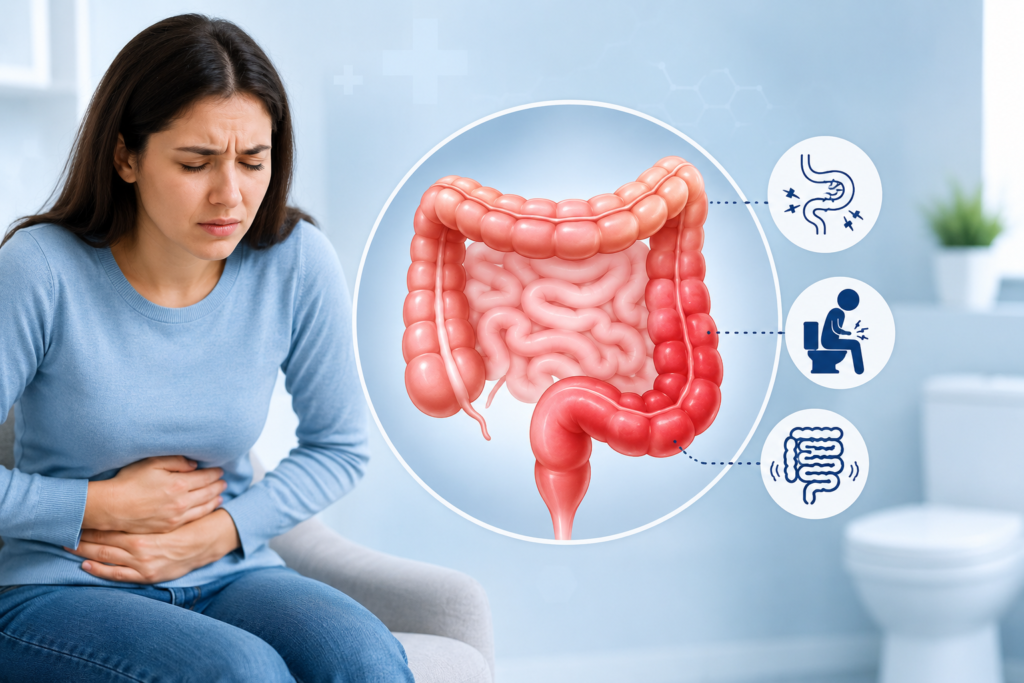
Digestive discomfort is something many people experience occasionally. However, when symptoms such as abdominal pain, bloating, constipation, or diarrhea become frequent and persistent, they may indicate a condition known as Irritable Bowel Syndrome (IBS).
IBS is one of the most common functional digestive disorders worldwide. Although it does not typically cause permanent damage to the intestines, it can significantly affect daily activities, work productivity, social interactions, and overall quality of life.
Many individuals struggle with IBS for years before receiving a proper diagnosis. Understanding the condition, identifying triggers, and learning about available IBS treatment options can help people manage symptoms more effectively and improve long-term digestive health.
What Is IBS?
Irritable Bowel Syndrome (IBS) is a chronic disorder that affects the large intestine, also known as the colon.
It is considered a functional gastrointestinal disorder, which means symptoms occur due to disturbances in how the digestive system functions rather than visible structural abnormalities.
People with IBS often experience recurring digestive symptoms that may come and go over time. The severity and frequency of symptoms vary considerably between individuals.
While IBS can be uncomfortable and frustrating, it is generally considered a manageable condition with appropriate lifestyle modifications and medical guidance.
Types of IBS
Healthcare professionals often classify IBS according to the predominant bowel pattern.
IBS with Constipation (IBS-C)
Individuals primarily experience:
- Hard stools
- Infrequent bowel movements
- Difficulty passing stools
IBS with Diarrhea (IBS-D)
Common features include:
- Loose stools
- Frequent bowel movements
- Urgent need to use the restroom
Mixed IBS (IBS-M)
People experience alternating episodes of constipation and diarrhea.
Unclassified IBS
Symptoms may not fit clearly into one specific category.
Symptoms of IBS
IBS symptoms can vary significantly from person to person.
Some individuals experience mild discomfort, while others face symptoms that interfere with daily life.
Abdominal Pain and Cramping
Abdominal discomfort is one of the hallmark symptoms of IBS.
Pain often improves after a bowel movement but may return later.
Bloating
Many people with IBS experience a sensation of fullness or abdominal swelling.
Bloating may worsen after meals and fluctuate throughout the day.
Changes in Bowel Habits
Altered bowel patterns are common.
Individuals may experience:
- Constipation
- Diarrhea
- Alternating bowel habits
Excess Gas
Increased gas production can contribute to discomfort and bloating.
Mucus in Stool
Some individuals notice mucus in their bowel movements.
Urgency
Those with IBS-D may feel a sudden and urgent need to use the restroom.
Incomplete Evacuation
Many people report feeling that the bowel has not emptied completely after a movement.
Causes and Triggers
The exact cause of IBS remains unclear, but researchers believe multiple factors contribute to its development.
Gut-Brain Interaction
The digestive system and brain communicate continuously.
Disruptions in this communication may influence bowel function and symptom development.
Abnormal Intestinal Muscle Activity
Changes in intestinal contractions may contribute to constipation, diarrhea, or abdominal discomfort.
Increased Gut Sensitivity
Some individuals with IBS appear to have heightened sensitivity within the digestive tract.
Normal digestive processes may trigger discomfort more easily.
Stress and Emotional Factors
Stress does not directly cause IBS but may worsen symptoms.
Many individuals notice symptom flare-ups during periods of emotional stress.
Previous Gastrointestinal Infections
Some people develop IBS following an episode of gastrointestinal illness.
Changes in Gut Microbiota
Research suggests that imbalances in intestinal microorganisms may play a role in symptom development.
Common IBS Triggers
Triggers vary from person to person.
Common examples include:
Certain Foods
Some individuals find that specific foods worsen symptoms.
Examples may include:
- Highly processed foods
- Fatty meals
- Spicy foods
- Carbonated beverages
Stress
Work-related stress, emotional challenges, and anxiety may contribute to symptom flare-ups.
Irregular Eating Patterns
Skipping meals or overeating can sometimes aggravate symptoms.
Hormonal Changes
Some individuals notice symptom fluctuations related to hormonal changes.
Diagnosis
There is no single test that definitively confirms IBS.
Diagnosis typically involves evaluating symptoms and excluding other digestive conditions.
Medical History
Healthcare providers review:
- Symptom patterns
- Duration of symptoms
- Dietary habits
- Family history
- Lifestyle factors
Physical Examination
A physical assessment may help identify other potential causes of symptoms.
Symptom Evaluation
Diagnostic criteria often focus on recurring abdominal pain associated with changes in bowel habits.
Additional Testing
Depending on individual circumstances, healthcare providers may recommend further testing to rule out conditions with similar symptoms.
Treatment Approaches
The primary goal of IBS treatment is to reduce symptoms, improve quality of life, and help individuals manage flare-ups more effectively.
Treatment plans are highly individualized because triggers and symptom patterns vary widely.
Symptom Management
Healthcare providers may recommend strategies aimed at controlling:
- Abdominal pain
- Bloating
- Constipation
- Diarrhea
Management plans are tailored to individual needs.
Stress Management
Because stress can influence digestive function, stress reduction techniques may be beneficial.
Examples include:
- Meditation
- Yoga
- Deep breathing exercises
- Mindfulness practices
Regular Physical Activity
Exercise may help support healthy digestion and overall well-being.
Benefits may include:
- Improved bowel function
- Reduced stress
- Better energy levels
Sleep Optimization
Poor sleep may contribute to symptom flare-ups.
Maintaining healthy sleep habits can support digestive health.
Dietary Management
Dietary modifications often play an important role in IBS management.
However, food triggers differ between individuals.
Keep a Food Diary
Recording meals and symptoms may help identify personal triggers.
Tracking patterns can provide valuable insights.
Eat Regular Meals
Consistent meal timing may help regulate digestive function.
Avoiding large meals may also reduce discomfort.
Increase Hydration
Adequate fluid intake supports digestive health and may help manage certain symptoms.
Focus on Balanced Nutrition
A healthy diet should include:
- Fruits
- Vegetables
- Whole grains
- Lean proteins
- Healthy fats
Dietary recommendations should be individualized according to tolerance and nutritional needs.
Limit Trigger Foods
Some people benefit from reducing foods that consistently worsen symptoms.
Because triggers vary greatly, personalized dietary guidance is often most effective.
Living with IBS
Although IBS is a chronic condition, many individuals successfully manage symptoms through lifestyle modifications and ongoing medical support.
Helpful habits include:
- Following a consistent routine
- Staying physically active
- Managing stress
- Monitoring dietary triggers
- Attending regular healthcare appointments
Small changes can often make a significant difference over time.
When Should You See a Doctor?
Medical evaluation is recommended if you experience:
- Persistent abdominal pain
- Ongoing changes in bowel habits
- Unexplained weight loss
- Symptoms that interfere with daily life
- Concerns about digestive health
Prompt evaluation helps ensure an accurate diagnosis and appropriate management.
FAQs
IBS, or Irritable Bowel Syndrome, is a functional digestive disorder that affects the large intestine and causes symptoms such as abdominal pain, bloating, constipation, and diarrhea.
The exact cause is not fully understood, but factors such as gut-brain interaction, intestinal sensitivity, stress, and gut microbiota changes may contribute.
Yes. Many people report increased symptoms during periods of emotional or physical stress.
IBS does not typically cause permanent damage to the digestive tract, but it can significantly affect quality of life.
Yes. Identifying personal food triggers and following a balanced dietary plan may help reduce symptoms.