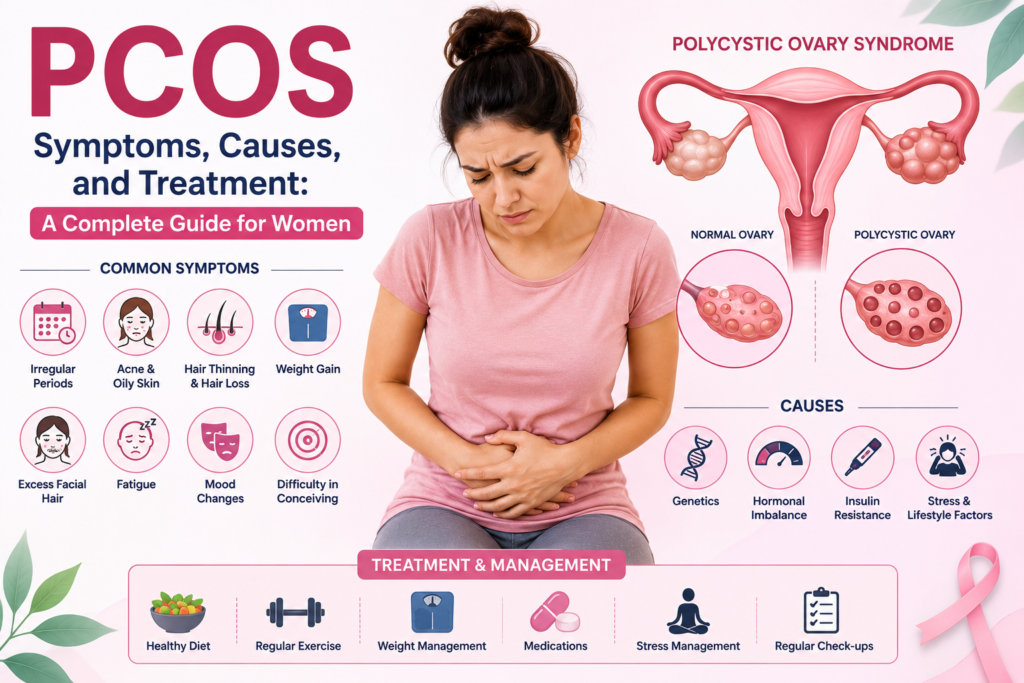
Polycystic Ovary Syndrome (PCOS) is one of the most common hormonal disorders affecting women of reproductive age. Despite its prevalence, many women remain unaware of its symptoms, underlying causes, and available treatment options. Early diagnosis and proper management can significantly improve quality of life and reduce the risk of long-term health complications.
In this comprehensive guide, we will discuss PCOS symptoms and treatment, potential causes, risk factors, diagnosis methods, and lifestyle strategies that can help women effectively manage this condition.
What Is PCOS?
Polycystic Ovary Syndrome (PCOS) is a hormonal condition that affects how a woman’s ovaries function. Women with PCOS often experience hormonal imbalances that can interfere with ovulation, menstrual cycles, fertility, and overall health.
The term “polycystic” refers to the presence of multiple small follicles that may develop in the ovaries. However, not all women with PCOS have ovarian cysts, and the condition involves much more than ovarian changes alone.
PCOS can affect various systems in the body, including reproductive, metabolic, and endocrine functions.
How Common Is PCOS?
PCOS is among the most frequently diagnosed gynecological conditions worldwide. It is estimated that millions of women experience symptoms of PCOS, yet many cases remain undiagnosed due to varying symptoms and lack of awareness.
The condition typically develops during adolescence or early adulthood but may become noticeable later when women face difficulties related to irregular periods or fertility.
Common PCOS Symptoms
Recognizing early symptoms is crucial for timely diagnosis and treatment.
- Irregular Menstrual Cycles
One of the most common signs of PCOS is irregular periods. Women may experience:
- Infrequent periods
- Missed periods
- Heavy menstrual bleeding
- Unpredictable cycle lengths
Irregular ovulation often causes these menstrual abnormalities.
- Excess Hair Growth
Many women with PCOS experience increased hair growth on:
- Face
- Chin
- Upper lip
- Chest
- Back
- Abdomen
This condition, known as hirsutism, results from elevated androgen levels.
- Acne and Oily Skin
Hormonal imbalances can stimulate excess oil production, leading to:
- Persistent acne
- Oily skin
- Breakouts resistant to conventional treatments
Adult acne is frequently associated with PCOS.
- Weight Gain
Women with PCOS often find it difficult to maintain a healthy weight. Weight gain commonly occurs around the abdomen and waistline.
- Hair Thinning
Some women may notice:
- Thinning hair
- Reduced hair volume
- Female-pattern hair loss
These changes can affect confidence and emotional well-being.
- Difficulty Conceiving
PCOS is one of the leading causes of infertility due to irregular or absent ovulation.
- Darkened Skin Patches
Certain women develop darker skin patches around:
- Neck
- Armpits
- Groin area
This may indicate insulin resistance, a common feature of PCOS.
- Fatigue
Hormonal imbalances and insulin resistance can contribute to persistent tiredness and reduced energy levels.
What Causes PCOS?
The exact cause of PCOS remains unclear. However, researchers believe several factors contribute to its development.
Hormonal Imbalance
Women with PCOS often have higher-than-normal levels of androgens, sometimes called male hormones. Elevated androgen levels can disrupt ovulation and lead to many PCOS symptoms.
Insulin Resistance
Insulin is a hormone that helps regulate blood sugar levels. Many women with PCOS develop insulin resistance, meaning the body’s cells do not respond effectively to insulin.
As a result, the body produces more insulin, which can increase androgen production and worsen symptoms.
Genetic Factors
PCOS often runs in families. Women with a mother or sister diagnosed with PCOS may have a higher risk of developing the condition.
Chronic Inflammation
Research suggests that low-grade inflammation may contribute to increased androgen production and metabolic complications associated with PCOS.
Risk Factors for PCOS
Several factors may increase the likelihood of developing PCOS:
- Family history of PCOS
- Obesity or overweight
- Insulin resistance
- Type 2 diabetes
- Metabolic syndrome
- Hormonal disorders
Having one or more risk factors does not guarantee a diagnosis but may increase susceptibility.
How PCOS Affects Fertility
Normal ovulation is essential for pregnancy. In women with PCOS, hormonal imbalances often prevent eggs from maturing and being released regularly.
Without consistent ovulation, conception becomes more challenging.
Fortunately, many women with PCOS can achieve successful pregnancies through lifestyle modifications, medical treatments, and fertility support when necessary.
Complications Associated with PCOS
If left unmanaged, PCOS may increase the risk of several health conditions.
Type 2 Diabetes
Insulin resistance significantly increases diabetes risk.
High Blood Pressure
Women with PCOS may develop cardiovascular risk factors earlier than others.
High Cholesterol
Abnormal lipid levels are frequently observed in PCOS patients.
Sleep Apnea
Obesity and hormonal imbalances can contribute to sleep-related breathing disorders.
Endometrial Problems
Irregular menstrual cycles may increase the risk of abnormal thickening of the uterine lining.
Mental Health Challenges
Women with PCOS may experience:
- Anxiety
- Depression
- Low self-esteem
- Body image concerns
Addressing emotional health is an important aspect of comprehensive care.
How Is PCOS Diagnosed?
There is no single test that confirms PCOS. Healthcare providers typically evaluate multiple factors.
Medical History
Doctors review symptoms such as:
- Menstrual irregularities
- Weight changes
- Hair growth patterns
- Fertility concerns
Physical Examination
Assessment may include:
- Blood pressure
- Body mass index (BMI)
- Skin changes
- Hair growth patterns
Blood Tests
Blood tests help evaluate:
- Hormone levels
- Blood sugar levels
- Insulin function
- Cholesterol levels
Ultrasound Examination
An ultrasound may be used to examine the ovaries and assess follicle development.
PCOS Symptoms and Treatment: Available Management Options
The treatment approach depends on symptoms, reproductive goals, and overall health.
Lifestyle Modifications
Lifestyle changes remain one of the most effective management strategies.
Healthy Nutrition
A balanced diet may help:
- Improve insulin sensitivity
- Support weight management
- Regulate hormone levels
Focus on:
- Vegetables
- Fruits
- Whole grains
- Lean proteins
- Healthy fats
Limit:
- Sugary beverages
- Processed foods
- Excess refined carbohydrates
Regular Physical Activity
Exercise can:
- Improve insulin response
- Promote weight loss
- Enhance mood
- Support hormonal balance
Aim for consistent physical activity throughout the week.
Weight Management
Even modest weight reduction may improve:
- Menstrual regularity
- Ovulation
- Fertility outcomes
- Metabolic health
Medical Treatment Options
Healthcare professionals may recommend medications depending on individual symptoms.
Menstrual Regulation
Certain hormonal therapies may help regulate menstrual cycles.
Fertility Support
Women trying to conceive may require ovulation-inducing treatments under medical supervision.
Insulin Sensitivity Management
Treatment strategies may focus on improving insulin response and metabolic health.
Acne and Excess Hair Management
Specific therapies may be recommended to address cosmetic and hormonal symptoms.
Treatment plans should always be personalized and supervised by qualified healthcare professionals.
Can PCOS Be Prevented?
There is currently no guaranteed way to prevent PCOS. However, healthy lifestyle habits may reduce symptom severity and improve long-term outcomes.
Helpful strategies include:
- Maintaining a healthy weight
- Following a balanced diet
- Exercising regularly
- Managing stress
- Scheduling routine gynecological checkups
When Should You Consult a Gynecologist?
You should seek medical advice if you experience:
- Irregular or absent periods
- Excessive hair growth
- Persistent acne
- Unexplained weight gain
- Difficulty becoming pregnant
- Symptoms of insulin resistance
Early evaluation can help prevent complications and improve treatment success.
FAQs
Irregular menstrual cycles are among the most common symptoms of PCOS.
Yes. PCOS can interfere with ovulation, making conception more difficult, but many women successfully become pregnant with proper treatment.
There is currently no permanent cure for PCOS, but symptoms can be effectively managed through lifestyle changes and medical treatment.
Yes. Even modest weight reduction can improve hormone balance, insulin sensitivity, and menstrual regularity.
Consult a gynecologist if you experience irregular periods, fertility issues, excessive hair growth, unexplained weight gain, or persistent acne.