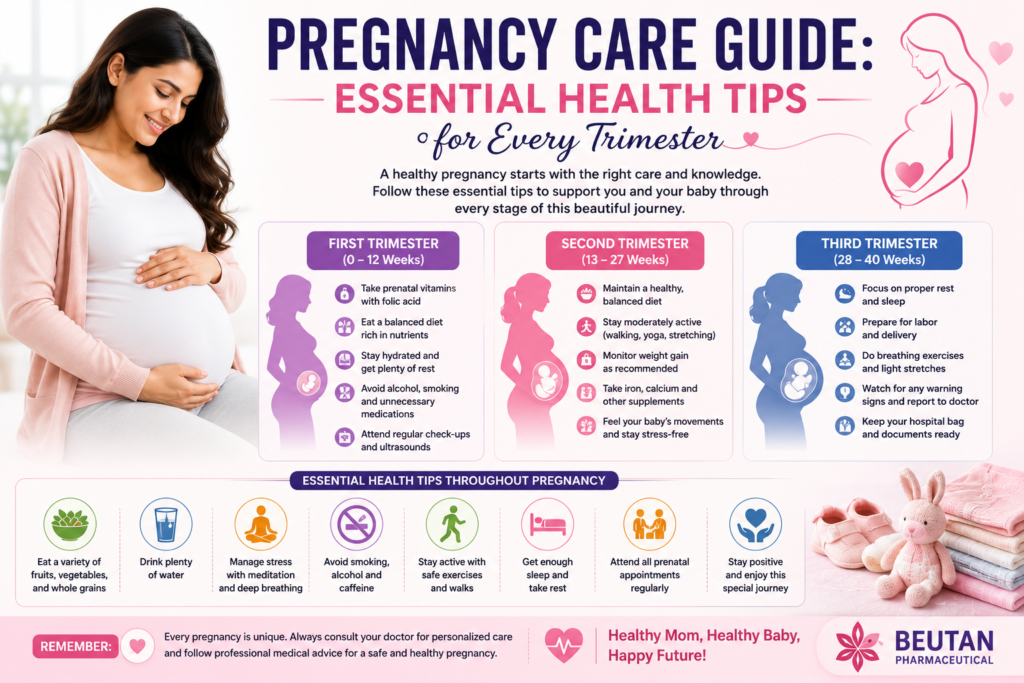
Pregnancy Care Guide: Essential Health Tips for Every Trimester
Pregnancy is one of the most transformative journeys in a woman’s life. It brings excitement, anticipation, and countless questions about how to ensure the best possible health for both mother and baby. From the moment a woman discovers she is pregnant, proper care becomes essential for supporting fetal development, reducing complications, and promoting a healthy pregnancy experience.
Every pregnancy is unique, and the body’s needs change throughout each trimester. Understanding what to expect and following the right pregnancy care tips can help women navigate this remarkable journey with confidence.
This comprehensive guide covers essential health recommendations, nutrition advice, lifestyle habits, prenatal care guidelines, and trimester-specific tips to help mothers maintain optimal well-being throughout pregnancy.
Why Pregnancy Care Is Important
Pregnancy care involves a combination of medical supervision, healthy lifestyle choices, proper nutrition, and emotional well-being.
Good prenatal care can help:
- Support healthy fetal growth
- Reduce pregnancy complications
- Detect health concerns early
- Improve maternal health outcomes
- Promote safe delivery
- Enhance newborn health
Regular care throughout pregnancy creates a strong foundation for both mother and baby.
Understanding the Three Trimesters of Pregnancy
Pregnancy is generally divided into three stages known as trimesters.
First Trimester
Weeks 1–12
Second Trimester
Weeks 13–27
Third Trimester
Weeks 28–40
Each trimester brings different physical, emotional, and developmental changes.
First Trimester Pregnancy Care Tips (Weeks 1–12)
The first trimester is a critical period because many of the baby’s organs begin developing during these early weeks.
Women may experience significant hormonal changes that affect both physical and emotional health.
Confirm Pregnancy and Schedule Prenatal Visits
Once pregnancy is confirmed, schedule an appointment with a healthcare provider.
Early prenatal visits help:
- Confirm fetal development
- Estimate due date
- Review medical history
- Identify potential risk factors
Regular monitoring is essential throughout pregnancy.
Start Taking Prenatal Vitamins
Prenatal vitamins support healthy fetal growth and development.
Important nutrients include:
Folic Acid
Folic acid supports neural tube development and reduces the risk of certain birth defects.
Iron
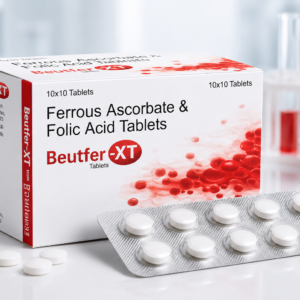
Iron helps support increased blood production during pregnancy.
Calcium
Calcium contributes to healthy bone development.
Vitamin D
Vitamin D supports bone health and immune function.
Women should follow healthcare provider recommendations regarding supplementation.
Focus on Balanced Nutrition
Proper nutrition is one of the most important pregnancy care tips.
A healthy diet should include:
Fruits and Vegetables
Provide vitamins, minerals, and antioxidants.
Whole Grains
Offer fiber and sustained energy.
Lean Protein
Supports fetal tissue growth.
Healthy Fats
Essential for brain and nervous system development.
Manage Morning Sickness
Morning sickness commonly occurs during the first trimester.
Helpful strategies include:
- Eating small frequent meals
- Staying hydrated
- Avoiding strong odors
- Consuming bland foods when needed
Symptoms often improve as pregnancy progresses.
Avoid Harmful Substances
Pregnant women should avoid:
- Tobacco products
- Alcohol
- Recreational drugs
- Unapproved medications
Always consult a healthcare professional before taking any medication during pregnancy.
Prioritize Rest
Fatigue is common during early pregnancy.
Adequate sleep supports:
- Hormonal balance
- Immune function
- Physical recovery
Listen to your body and rest when needed.
Second Trimester Pregnancy Care Tips (Weeks 13–27)
Many women consider the second trimester the most comfortable stage of pregnancy.
Energy levels often improve, and early symptoms may decrease.
Continue Regular Prenatal Checkups
Routine appointments help monitor:
- Baby’s growth
- Maternal health
- Blood pressure
- Weight changes
Consistent monitoring helps identify concerns early.
Increase Nutritional Intake
As the baby grows, nutritional demands increase.
Focus on foods rich in:
Protein
Protein supports tissue growth and development.
Good sources include:
- Eggs
- Fish
- Poultry
- Beans
- Dairy products
Calcium
Supports developing bones and teeth.
Iron
Prevents iron deficiency and supports oxygen transport.
Stay Hydrated
Water plays an important role during pregnancy.
Benefits include:
- Supporting circulation
- Preventing constipation
- Regulating body temperature
- Maintaining amniotic fluid levels
Most women benefit from increasing daily water intake.
Begin Safe Physical Activity
Regular exercise may help:
- Improve circulation
- Reduce stress
- Support healthy weight gain
- Prepare the body for childbirth
Common pregnancy-safe activities include:
- Walking
- Prenatal yoga
- Swimming
- Stretching exercises
Always seek medical guidance before starting a new exercise routine.
Monitor Weight Gain
Healthy weight gain varies depending on individual circumstances.
Appropriate weight management supports:
- Maternal health
- Fetal growth
- Delivery outcomes
Healthcare providers can offer personalized recommendations.
Pay Attention to Mental Health
Pregnancy affects emotional well-being as well as physical health.
Women may experience:
- Anxiety
- Mood fluctuations
- Stress about childbirth
Seeking support from family members, healthcare providers, or support groups can be beneficial.
Third Trimester Pregnancy Care Tips (Weeks 28–40)
The third trimester focuses on preparing for labor, delivery, and newborn care.
Physical changes become more noticeable as the baby grows rapidly.
Attend All Prenatal Appointments
Late pregnancy monitoring is especially important.
Healthcare providers may assess:
- Baby’s position
- Growth progress
- Maternal blood pressure
- Signs of labor
Regular visits help ensure both mother and baby remain healthy.
Learn the Signs of Labor
Understanding labor signs helps reduce uncertainty.
Common signs include:
- Regular contractions
- Water breaking
- Pelvic pressure
- Lower back pain
- Cervical changes
Knowing when to contact your healthcare provider is essential.
Prepare a Birth Plan
Many women find it helpful to create a birth plan that outlines preferences regarding:
- Labor support
- Pain management
- Delivery options
- Postpartum care
Flexibility is important because circumstances can change during labor.
Focus on Comfortable Sleep
As pregnancy advances, sleep may become more challenging.
Helpful tips include:
- Sleeping on the left side
- Using pregnancy pillows
- Maintaining a comfortable sleep environment
- Avoiding large meals before bedtime
Continue Healthy Eating Habits
The third trimester requires continued nutritional support.
Important nutrients include:
- Protein
- Iron
- Calcium
- Omega-3 fatty acids
- Fiber
Balanced meals support ongoing fetal growth and maternal health.
Prepare for Breastfeeding
Women planning to breastfeed may benefit from learning about:
- Proper latch techniques
- Feeding schedules
- Breast care
- Lactation support resources
Education before delivery can increase confidence after birth.
Essential Nutrition Tips During Pregnancy
Nutrition is one of the most important factors influencing pregnancy outcomes.
Foods to Include
Leafy Green Vegetables
Rich in folate, iron, and fiber.
Dairy Products
Provide calcium and protein.
Whole Grains
Support digestion and sustained energy.
Fruits
Offer vitamins, minerals, and hydration.
Lean Proteins
Support tissue growth and development.
Nuts and Seeds
Provide healthy fats and nutrients.
Foods to Limit or Avoid
Pregnant women should consult healthcare providers regarding dietary restrictions.
Common recommendations often include avoiding:
- Raw seafood
- Unpasteurized dairy products
- Excess caffeine
- Undercooked meats
Food safety is particularly important during pregnancy.
Common Pregnancy Discomforts and Management Tips
Pregnancy often brings temporary discomforts.
Heartburn
Helpful strategies:
- Eat smaller meals
- Avoid spicy foods
- Remain upright after eating
Constipation
Increase:
- Fiber intake
- Water consumption
- Physical activity
Back Pain
Supportive measures include:
- Good posture
- Gentle stretching
- Proper footwear
Swelling
Mild swelling may improve with:
- Rest
- Elevating feet
- Staying hydrated
Warning Signs That Require Immediate Medical Attention
Pregnant women should contact a healthcare professional immediately if they experience:
- Heavy vaginal bleeding
- Severe abdominal pain
- Persistent headaches
- Vision changes
- High fever
- Sudden swelling
- Reduced fetal movement
- Fluid leakage
Prompt medical evaluation helps protect maternal and fetal health.
Emotional Well-Being During Pregnancy
Mental and emotional health are important aspects of prenatal care.
Women may benefit from:
- Talking openly about concerns
- Practicing relaxation techniques
- Maintaining social connections
- Seeking professional support when needed
A healthy mind contributes to a healthier pregnancy experience.
Preparing for Delivery
As the due date approaches, preparation becomes increasingly important.
Consider:
- Packing a hospital bag
- Arranging transportation
- Understanding hospital procedures
- Installing infant car seats
- Preparing essential baby supplies
Planning ahead can reduce stress and improve confidence.
Postpartum Preparation
Pregnancy care extends beyond delivery.
Women should prepare for:
- Physical recovery
- Newborn care
- Breastfeeding support
- Emotional adjustments
- Follow-up medical appointments
Understanding postpartum needs helps ensure a smoother transition into motherhood.
FAQs
Regular prenatal checkups, healthy nutrition, hydration, adequate rest, and avoiding harmful substances are among the most important pregnancy care tips.
Visit frequency varies by trimester and individual health needs. Your healthcare provider will recommend a schedule based on your pregnancy.
In most healthy pregnancies, moderate exercise is beneficial. Always consult your healthcare provider before starting or continuing exercise.
Fruits, vegetables, whole grains, dairy products, lean proteins, and healthy fats are important components of a pregnancy diet.
Heavy bleeding, severe pain, high fever, reduced fetal movement, vision changes, or sudden swelling require immediate medical evaluation.