
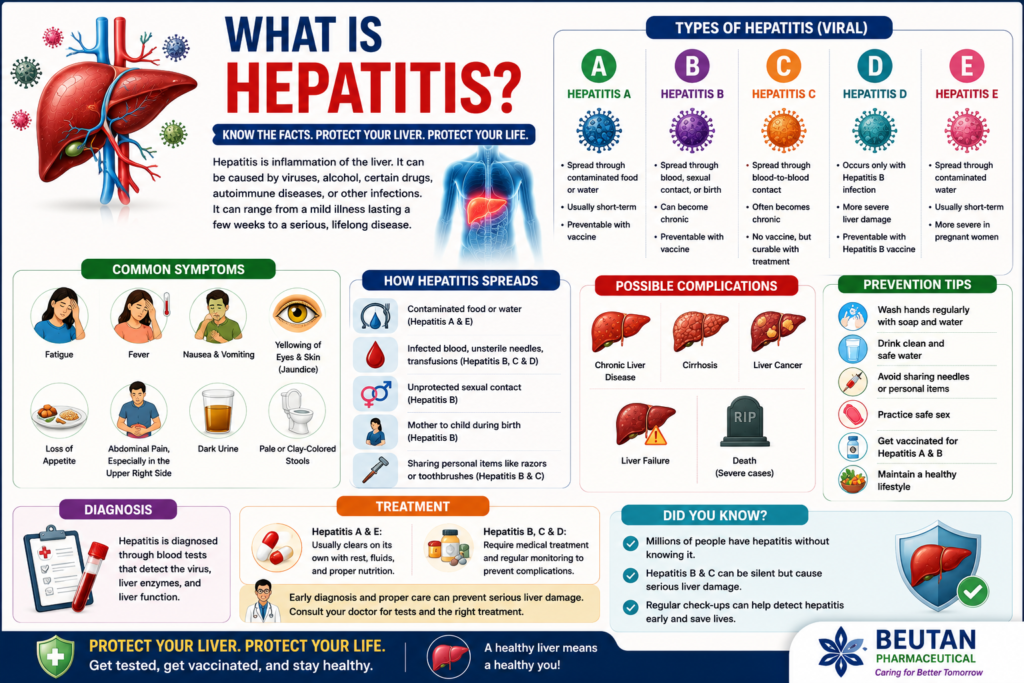
Hepatitis: Causes, Symptoms, Prevention, and Treatment
The liver plays a vital role in maintaining overall health. It helps process nutrients, remove toxins, support digestion, regulate metabolism, and perform hundreds of essential functions every day. When the liver becomes inflamed, its ability to function properly may be affected. One of the most common causes of liver inflammation is a condition known as hepatitis.
Hepatitis affects millions of people worldwide and can range from a short-term illness to a long-term condition that may lead to serious liver complications if left untreated. Fortunately, increased awareness, preventive measures, and advances in hepatitis treatment have significantly improved outcomes for many individuals.
Understanding the causes, symptoms, prevention methods, and treatment options is essential for protecting liver health and reducing the risk of long-term complications.
What Is Hepatitis?
Hepatitis is a medical condition characterized by inflammation of the liver. Inflammation occurs when liver tissues become irritated or damaged, affecting their ability to perform normal functions.
The condition can be caused by several factors, including viral infections, autoimmune disorders, certain medications, toxins, and excessive alcohol consumption.
Depending on the cause and severity, hepatitis may be classified as either:
Acute Hepatitis
A short-term condition that develops suddenly and may resolve within a few months.
Chronic Hepatitis
A long-term condition that persists for months or years and may increase the risk of liver damage.
Types of Hepatitis
Several forms of hepatitis can affect the liver.
Hepatitis A
Hepatitis A is typically transmitted through contaminated food or water.
Characteristics include:
- Usually short-term
- Does not typically become chronic
- Often preventable through vaccination and proper hygiene
Hepatitis B
Hepatitis B spreads through contact with infected blood or bodily fluids.
It may be:
- Acute
- Chronic
Long-term infection can increase the risk of liver complications.
Hepatitis C
Hepatitis C primarily spreads through blood-to-blood contact.
Many individuals may remain unaware of the infection for years because symptoms can be mild or absent during early stages.
Hepatitis D
This form occurs only in individuals already infected with Hepatitis B.
Although less common, it can increase the severity of liver disease.
Hepatitis E
Hepatitis E is often associated with contaminated water sources and is generally more common in regions with poor sanitation.
Common Causes of Hepatitis
While viral infections are among the most recognized causes, several factors can contribute to liver inflammation.
Viral Infections
Viruses remain the leading cause of hepatitis worldwide.
Different hepatitis viruses affect the liver in different ways, but all can trigger inflammation.
Excessive Alcohol Consumption
Long-term alcohol use can damage liver cells and lead to alcoholic hepatitis.
Heavy alcohol consumption remains a significant cause of liver disease globally.
Autoimmune Conditions
In autoimmune hepatitis, the body’s immune system mistakenly attacks healthy liver tissue.
This ongoing immune response can cause chronic inflammation and liver damage.
Certain Medications and Toxins
Some medications, supplements, and toxic substances may contribute to liver inflammation in susceptible individuals.
Metabolic and Liver Disorders
Certain underlying medical conditions may increase the risk of developing hepatitis-like liver inflammation.
Symptoms of Hepatitis
Symptoms vary depending on the type and severity of the condition.
In some cases, particularly during the early stages, individuals may have no noticeable symptoms.
Common symptoms include:
Fatigue
Persistent tiredness is one of the most frequently reported symptoms.
Loss of Appetite
Individuals may experience reduced interest in food.
Nausea and Vomiting
Digestive symptoms often accompany liver inflammation.
Abdominal Discomfort
Pain or discomfort may occur in the upper right side of the abdomen where the liver is located.
Dark Urine
Changes in urine color may indicate liver dysfunction.
Pale-Colored Stools
Some individuals notice lighter-than-normal bowel movements.
Joint and Muscle Pain
General body aches may occur in certain cases.
Jaundice
Jaundice causes:
- Yellowing of the skin
- Yellowing of the eyes
This symptom occurs when bilirubin levels rise in the bloodstream.
Risk Factors for Hepatitis
Several factors may increase susceptibility to hepatitis.
Exposure to Contaminated Food or Water
This is particularly relevant for certain viral forms of hepatitis.
Contact with Infected Blood
Blood exposure remains an important transmission route for some hepatitis viruses.
Unprotected Sexual Contact
Certain forms of hepatitis can spread through bodily fluids.
Long-Term Alcohol Use
Excessive alcohol consumption increases liver injury risk.
Weakened Immune System
Individuals with compromised immunity may be more vulnerable.
Travel to High-Risk Areas
Travel to regions with poor sanitation may increase exposure risk.
How Hepatitis Affects the Liver
When the liver becomes inflamed, several important functions may be disrupted.
Potential consequences include:
- Reduced toxin removal
- Impaired nutrient processing
- Altered digestion
- Decreased protein production
- Metabolic disturbances
Persistent inflammation can eventually contribute to scarring and liver damage if not properly managed.
Diagnosis of Hepatitis
Early diagnosis is important for determining the cause and guiding appropriate care.
Medical History
Healthcare providers evaluate:
- Symptoms
- Lifestyle factors
- Travel history
- Exposure risks
- Family history
Physical Examination
A medical examination may identify signs of liver enlargement or jaundice.
Blood Tests
Laboratory testing plays a major role in diagnosing hepatitis.
Tests may evaluate:
- Liver enzyme levels
- Liver function
- Viral markers
- Immune-related factors
Imaging Studies
Imaging may help assess liver structure and identify complications.
Hepatitis Treatment: Modern Approaches
The most appropriate hepatitis treatment depends on the type, cause, and severity of the condition.
Treatment plans are individualized and developed under medical supervision.
Supportive Care
Many cases of acute hepatitis improve with supportive care and close monitoring.
Supportive measures may include:
- Adequate hydration
- Rest
- Nutritional support
- Avoiding substances that may stress the liver
Managing Chronic Hepatitis
Long-term management focuses on:
- Reducing liver inflammation
- Protecting liver function
- Preventing complications
- Monitoring disease progression
Regular medical follow-up is essential.
Lifestyle Modifications
Healthy lifestyle habits can support liver recovery and overall health.
Eat a Balanced Diet
Focus on:
- Fruits
- Vegetables
- Whole grains
- Lean proteins
These foods provide nutrients that support liver function.
Avoid Alcohol
Alcohol can worsen liver inflammation and interfere with recovery.
Avoiding alcohol is one of the most important recommendations for individuals with hepatitis.
Stay Physically Active
Regular activity supports:
- Metabolic health
- Weight management
- Overall wellness
Maintain a Healthy Weight
Healthy weight management may reduce additional strain on the liver.
Prevention of Hepatitis
Prevention remains one of the most effective strategies for reducing hepatitis-related health problems.
Practice Good Hygiene
Frequent handwashing can help reduce the spread of certain forms of hepatitis.
Ensure Safe Food and Water Practices
Consuming clean food and water reduces infection risk.
Vaccination
Vaccination is available for certain types of hepatitis and remains an important preventive measure.
Consult healthcare professionals regarding recommended vaccinations.
Avoid Sharing Personal Items
Items that may come into contact with blood should not be shared.
Examples include:
- Razors
- Toothbrushes
- Needles
Follow Safe Medical Practices
Ensure medical procedures are performed using appropriate infection-control measures.
When Should You See a Doctor?
Seek medical evaluation if you experience:
- Persistent fatigue
- Jaundice
- Abdominal discomfort
- Unexplained nausea
- Dark urine
- Risk factors for hepatitis exposure
Early diagnosis can improve treatment outcomes and help prevent complications.
FAQs
Hepatitis is inflammation of the liver caused by viral infections, autoimmune conditions, alcohol use, medications, or other factors.
Common symptoms include fatigue, nausea, abdominal discomfort, loss of appetite, dark urine, and jaundice.
Many forms of hepatitis can be prevented through vaccination, proper hygiene, safe food practices, and reducing exposure to infected blood or bodily fluids.
No. Some forms are short-term and resolve completely, while others may become chronic and require long-term management.
Medical evaluation is recommended if you experience jaundice, persistent fatigue, abdominal discomfort, or other symptoms suggestive of liver problems.